
NAD for Depression: Benefits, Research, Safety & What the Evidence Says
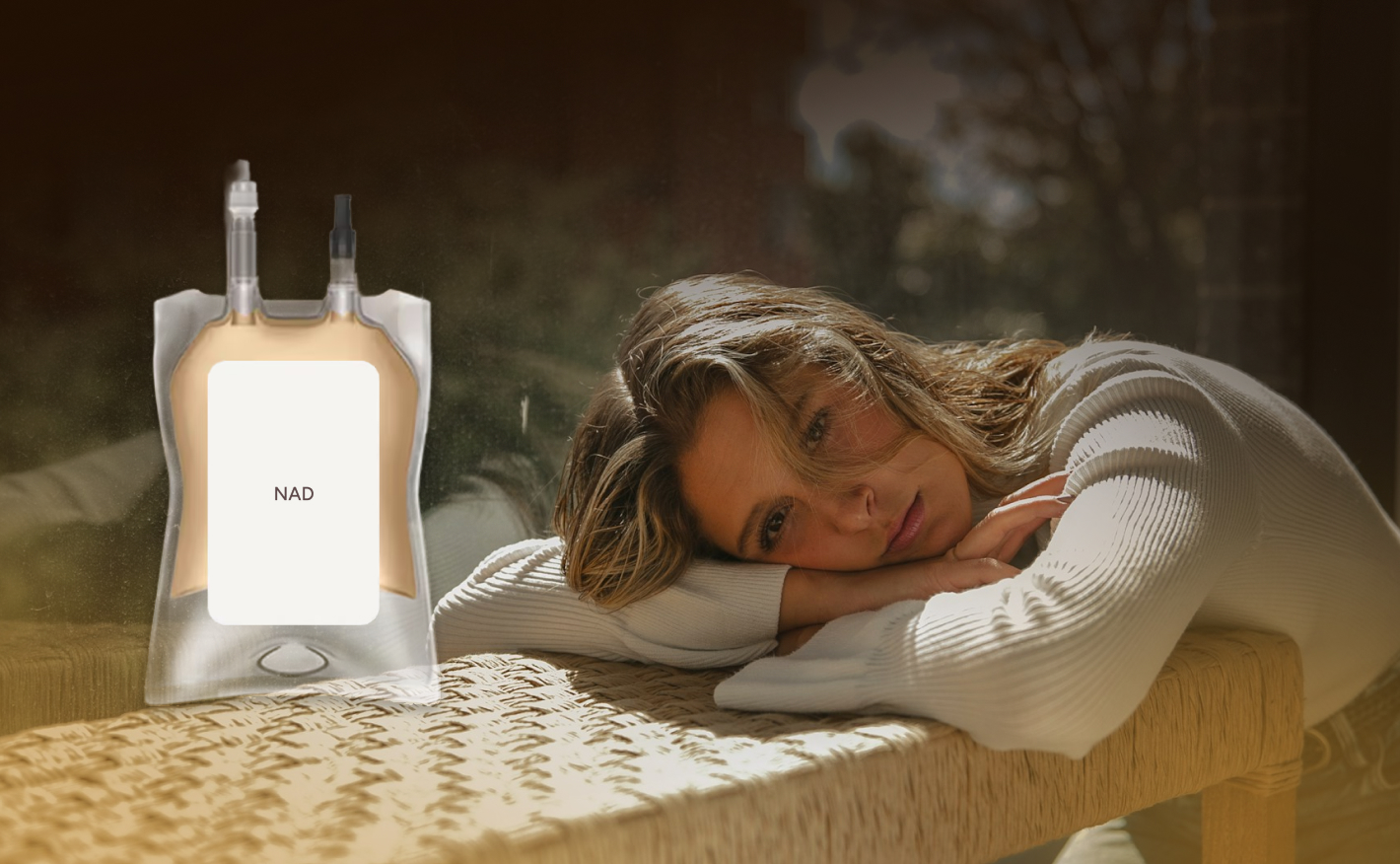

NAD for Depression: Benefits, Research, Safety & What the Evidence Says
Do you feel constantly drained even after ample rest?
You might also be experiencing persistently low mood and difficulty staying positive—symptoms that have led many people to explore NAD peptides.
NAD for depression is a growing body of research to understand why some people feel this way, and what might help. This article walks through what the science actually says, where it's promising, and where it's still incomplete.
What Is NAD for Depression?
NAD for depression refers to the use of nicotinamide adenine dinucleotide (NAD+), a coenzyme involved in cellular energy production, as a potential supportive therapy for improving mood and brain function. While research is ongoing, scientists are exploring its role in mental health because healthy brain cells rely heavily on adequate energy production.
Current research suggests NAD+ therapy may support cellular energy and brain health in ways that could indirectly ease some depression symptoms, but it is not an approved or proven standalone treatment for major depressive disorder (MDD). It's best considered a supportive, physician-guided option, not a replacement for standard care.
NAD+ exists in every cell in your body. It helps convert food into usable energy and supports mitochondrial function, the process your cells use to generate power.
Your brain is one of the most energy-hungry organs you have. According to the National Institute of Mental Health (NIMH), major depressive disorder (MDD) affects a substantial percentage of U.S. adults each year. Researchers have increasingly been looking at brain metabolism, not just neurotransmitters, when studying why such symptoms persist.
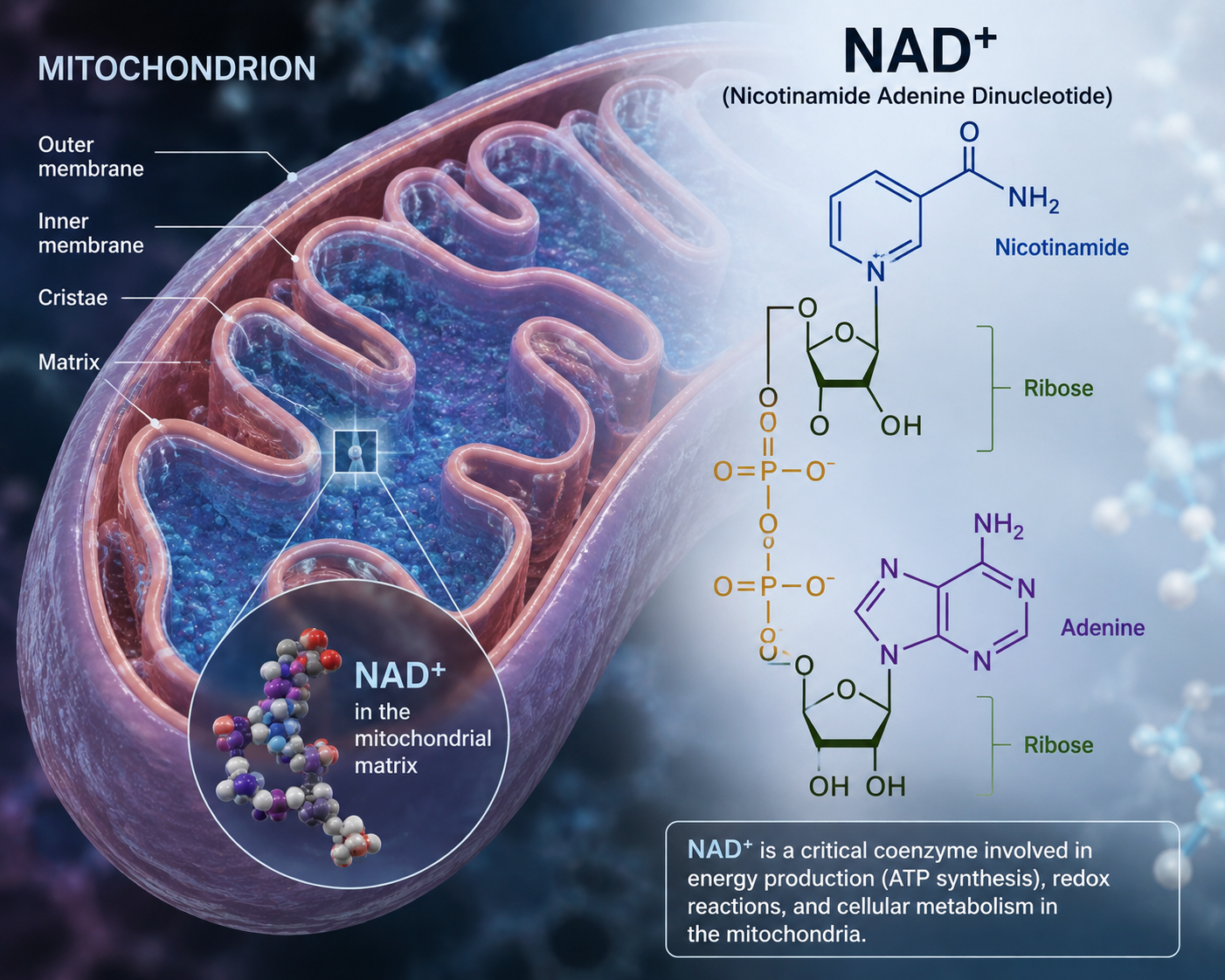
NAD+ levels naturally decline with age, a pattern documented in aging research from institutions including Harvard Medical School. That decline has led scientists to ask whether restoring NAD+ might also support mood, cognition, and resilience to stress, which is why you're seeing more interest in NAD+ therapy as a research area.
It's worth being clear on one distinction: traditional antidepressants primarily target neurotransmitter signaling (serotonin, norepinephrine, dopamine), while NAD+ approaches are being studied for their effect on cellular metabolism and energy. These are different mechanisms, and one has decades of clinical trial data behind it while the other does not yet have it.
How NAD+ May Help with Depression
NAD+ is thought to support mood indirectly by improving the cellular conditions your brain needs to function well, rather than acting like a conventional antidepressant.
Here's what the proposed mechanisms look like:
- Mitochondrial function: NAD+ is essential for ATP production, the energy currency your neurons run on.
- Brain metabolism: Adequate energy supply supports the brain regions involved in mood regulation and executive function.
- Neurotransmitter production: Some research suggests NAD+ availability may influence serotonin and dopamine synthesis pathways.
- Oxidative stress: NAD+ participates in antioxidant pathways that may help buffer oxidative stress, which has been linked to depression in peer-reviewed reviews.
- Neuroinflammation: Chronic neuroinflammation is increasingly studied as a contributor to depressive symptoms, and NAD+-dependent enzymes (sirtuins) play a role in inflammatory regulation.
- DNA repair and healthy aging: NAD+ fuels PARP enzymes, which are involved in repairing cellular damage over time.
Fatigue and depression frequently overlap. Low cellular energy at the mitochondrial level is one reason researchers think some people experience a combination of persistent tiredness and low mood, rather than treating them as separate issues.
None of this means low NAD+ causes depression. It means researchers see a plausible biological link worth exploring, which is different from a proven cause-and-effect relationship.
What Does the Current Research Say About NAD for Depression?
Current evidence is early-stage and promising in places, but it does not comprise large, controlled human trials needed to call NAD+ a proven depression treatment. Most support comes from smaller studies, mechanistic research, and animal models.
A small peer-reviewed study by Blum and colleagues, published in a psychiatric research journal, reported reduced psychiatric burden scores in patients receiving NAD+ infusions, an early but notable data point. Animal studies have also shown that restoring NAD+ levels can improve markers of mitochondrial health and reduce depressive-like behaviors in rodent models, according to research summarized by the National Institutes of Health (NIH).
That said, here's what's still missing:
- Large, randomized, placebo-controlled trials specifically in people diagnosed with major depressive disorder (MDD)
- Long-term safety and efficacy data beyond a few weeks or months
- Head-to-head comparisons against standard antidepressants
- Consistent dosing protocols across studies
There's an important difference between "promising early research" and "a proven treatment." NAD+ sits firmly in the first category right now.
Clinicians who work with NAD+ generally describe it the same way: an interesting adjunct worth watching, not a replacement for evidence-based depression care.
Potential Benefits of NAD for Depression
The potential benefits of NAD+ therapy center on energy, cognition, and general brain wellness, which may indirectly support mood, though direct antidepressant effects remain unproven. People who try NAD+ under medical supervision often report these effects, though individual results vary.
Reported and researched potential benefits include:
- Increased cellular energy and reduced fatigue
- Better mental clarity and reduced brain fog
- Improved focus and concentration
- General brain health support over time
- Possible mood enhancement as a secondary effect of feeling less depleted
- Support during recovery from burnout or chronic exhaustion
- General wellness benefits reported anecdotally by IV therapy patients

These benefits are meaningful for many people, especially if fatigue is a significant part of how depression shows up for you. But they're supportive, not curative, and they shouldn't be mistaken for a clinically proven antidepressant effect.
NAD+ Therapy vs Traditional Depression Treatments
NAD+ therapy is best understood as a potential complement to standard depression care, not a substitute for it. Established treatments like antidepressants and psychotherapy still have the strongest evidence base.
If you're managing depression symptoms now, conventional treatments remain the standard of care. Some people explore NAD+ alongside those treatments, under a doctor's guidance, rather than in place of them.
Any treatment plan should be individualized. What works for one person's biology, history, and severity of symptoms won't necessarily fit another's.
Types of NAD Therapy Available
NAD+ is available in several forms, ranging from clinical IV infusions to over-the-counter oral supplements. These treatments differ significantly in terms of bioavailability, cost, and oversight. Each has different strengths depending on your goals and budget.
IV NAD infusion bypasses digestion entirely, which is why clinics generally consider it more bioavailable than capsules. Oral precursors like NR and NMN are more convenient and often used for longer-term, at-home maintenance.
The duration of therapy varies widely: some clinics run single sessions, others recommend a short series of infusions followed by oral maintenance. There isn't yet a standardized protocol supported by large trials.
Who May Benefit from NAD for Depression?
People being studied or considered for NAD+ therapy typically share a pattern of low energy, metabolic strain, or interest in integrative care alongside standard treatment. It's not positioned as a fit for everyone.
Populations of interest in current research and clinical practice include:
- Individuals with persistent low energy alongside mood symptoms
- People experiencing chronic fatigue that overlaps with depression
- Older adults, given the natural age-related decline in NAD+ levels
- People with metabolic dysfunction affecting cellular energy
- Individuals already engaged in integrative or functional medicine care
- Patients working with a physician who can monitor response and safety
Where evidence remains genuinely insufficient is in using NAD+ as a first-line or standalone treatment for diagnosed major depressive disorder (MDD). If that's your situation, a mental health provider should guide your primary treatment plan.
Risks, Side Effects, and Safety Considerations
NAD+ therapy carries a generally mild but real side effect profile, and it isn't appropriate for everyone, so safety screening matters before starting.
Commonly reported side effects include:
- Digestive discomfort (nausea, cramping)
- Headache
- Flushing or warmth during IV administration
- Fatigue or lightheadedness during infusion
- Injection site or infusion site reactions
IV infusion reactions are usually related to the speed of the infusion. Slower administration, adjusted by a trained clinician, tends to reduce discomfort.
Other safety considerations to keep in mind:
- Drug interactions: NAD+ may interact with certain medications. Thus, make sure your clinician should reviews your full medication list before prescribing NAD+.
- Pregnancy and breastfeeding women: There isn't enough safety data to recommend NAD+ therapy during pregnancy or breastfeeding, according to general IV therapy safety guidance.
- Underlying medical conditions: People with certain cardiovascular or kidney conditions should be evaluated before IV infusion therapy.
- Unregulated products: Oral NAD+ supplements are not FDA-approved as depression treatments and vary in quality between brands.
Medical disclaimer: This article is for informational purposes only and is not medical advice. Talk to a qualified healthcare provider before starting, stopping, or changing any treatment or supplement.
How to Use NAD Safely
The safest way to explore NAD+ therapy is through a medical evaluation first, not self-administration or an unsupervised online order.
Practical steps to consider:
Step 1: Get a proper medical evaluation, including a review of current medications and conditions.
Step 2: Choose a clinic with licensed medical staff overseeing infusions, not a walk-in wellness bar with no clinical oversight.
Step 3: Follow recommended dosages exactly; don't self-adjust based on how you feel mid-session.
Step 4: Track your response over several sessions rather than judging from one visit.
Step 5: Pair therapy with foundational habits: consistent sleep, balanced nutrition, movement, and stress management.
Step 6: Schedule follow-up check-ins with your provider to reassess whether it's helping.
Clinics that are physician-led and staffed by clinicians with experience in infusion therapy—like the clinical oversight at the core of Klearmind’s Wellness IV & Injections program—generally offer a safer starting point than unsupervised at-home protocols.
Can Lifestyle Changes Improve NAD Levels Naturally?
Yes, several everyday habits are associated with supporting healthy NAD+ metabolism, and they cost nothing beyond consistency. These are worth trying regardless of whether you ever pursue infusion therapy.
- Regular exercise: Physical activity is linked to improved mitochondrial function and NAD+ turnover.
- Healthy sleep: Poor sleep disrupts cellular repair processes that depend on NAD+.
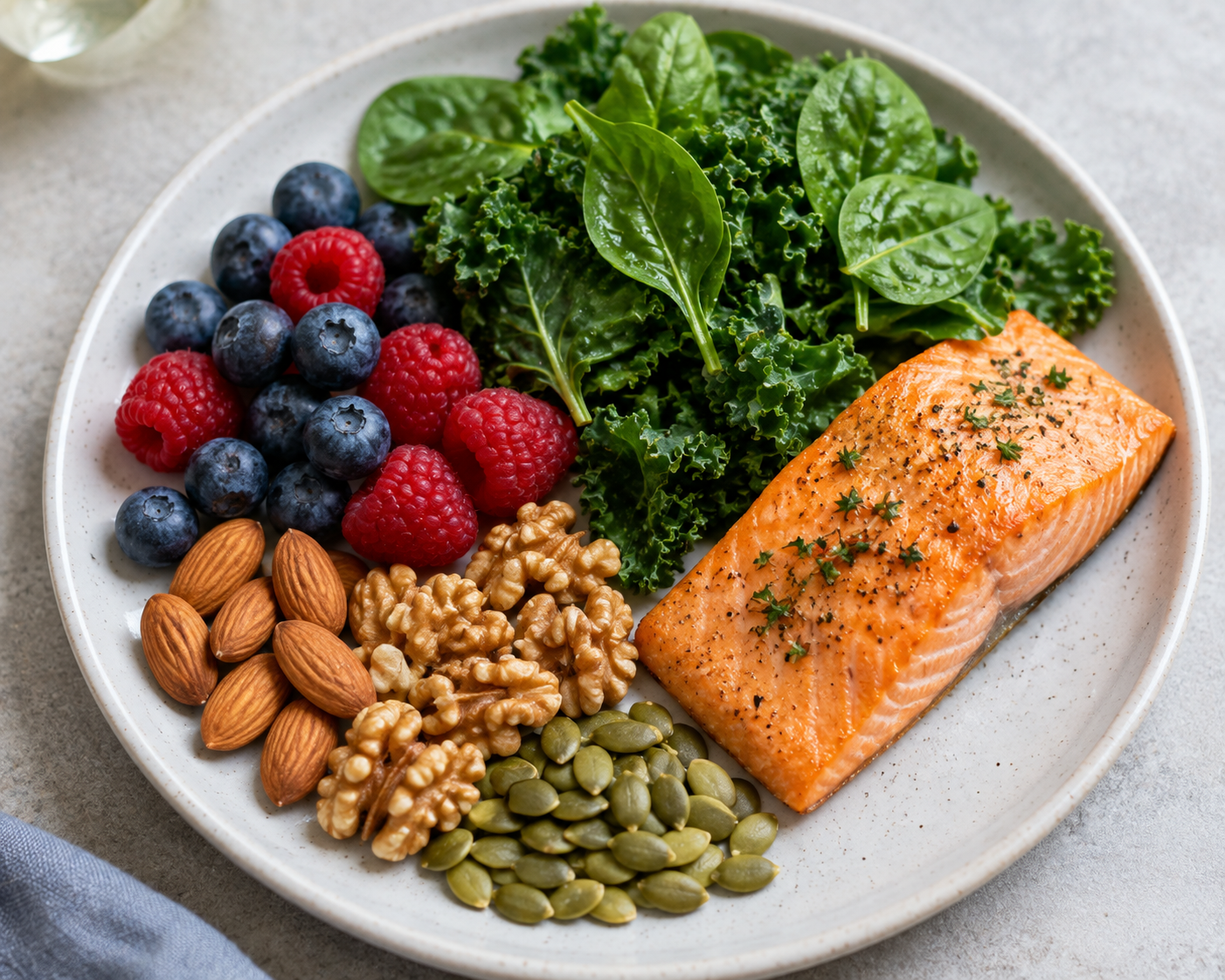
- Balanced nutrition: Foods containing vitamin B3 (niacin), such as poultry, fish, peanuts, and whole grains, supply the raw material your body uses to make NAD+.
- Calorie moderation and weight management: Metabolic strain from excess weight is associated with lower NAD+ efficiency.
- Managing oxidative stress: Antioxidant-rich foods (berries, leafy greens) may help offset some of the cellular stress linked to NAD+ decline.
- Avoiding excessive alcohol: Heavy alcohol use depletes NAD+ and burdens the same metabolic pathways.
If you'd like a deeper dive into food-based brain support, our guide on the best brain health supplements covers related nutrients in more depth. Also, our piece on the best brain power supplements explores cognitive-focused options in detail.
For a broader look at what's actually happening physiologically when focus and mood both dip together, our article on depression and brain fog is a useful read.
Final Verdict: Is NAD for Depression Worth Considering?
NAD for depression is an emerging area of research that shows promising potential for supporting brain health and cellular energy, but current evidence is not strong enough to consider it a proven treatment for depression. It may serve as a complementary approach under medical supervision while established therapies remain the standard of care.
If persistent fatigue, brain fog, or low mood is affecting your life, the most reliable next step is a conversation with a qualified provider, whether that's a psychiatrist, therapist, or a physician-led clinic that can evaluate whether an option like NAD+ or NAD+ therapy fits safely into your broader care plan.
If you're curious to hear a clinician talk through the science directly, David Haase, MD's YouTube explainer "The Power of NAD: Boost Your Brain & Body's Energy for Better Health" walks through the cellular energy angle in accessible terms.
Frequently Asked Questions
What is NAD for depression?
NAD for depression describes the use of NAD+, a coenzyme central to cellular energy production, as a potential supportive approach for mood and brain function. It's an emerging research area, not an approved standalone treatment, and it's typically explored alongside standard depression care.
Does NAD+ help with depression?
Some early research and clinical reports suggest NAD+ may support depression symptoms indirectly by improving cellular energy and reducing fatigue. However, there isn't yet strong clinical trial evidence proving it treats depression directly, so it's best viewed as supportive rather than definitive.
How does NAD affect brain health?
NAD+ supports brain health by fueling mitochondrial function, helping neurons produce the energy they need, and participating in pathways that manage oxidative stress and DNA repair. Healthy energy metabolism is increasingly linked to steadier mood and clearer thinking.
Is NAD therapy approved for treating depression?
No. NAD+ therapy is not FDA-approved specifically for treating depression or major depressive disorder (MDD). IV NAD infusions are typically offered as wellness or integrative therapies, and oral precursors like NR and NMN are sold as dietary supplements, not approved drugs.
What are the side effects of NAD therapy?
Reported side effects include headache, nausea or digestive discomfort, flushing, and fatigue during or after an infusion. Most reactions are mild and infusion-related, but anyone with underlying medical conditions should be screened by a clinician first.
Is NAD infusion better than oral supplements?
IV NAD infusion generally offers higher bioavailability since it bypasses digestion, while oral NAD precursors like nicotinamide riboside and nicotinamide mononucleotide are more convenient for ongoing, at-home use. Neither is universally "better"; the right choice depends on your goals, budget, and medical guidance.
Can NAD replace antidepressants?
No, current evidence does not support using NAD+ as a replacement for antidepressants or psychotherapy in diagnosed major depressive disorder (MDD). It may be considered as a complementary option under physician supervision, but established treatments remain the standard of care.
How long does it take for NAD therapy to work?
Timelines vary widely and aren't standardized across clinical studies. Some people report feeling more energized after a single infusion, while others need a short series of sessions before noticing changes in fatigue or mental clarity.
Who should avoid NAD therapy?
People who are pregnant or breastfeeding, have certain cardiovascular or kidney conditions, or take medications that may interact with NAD+ should avoid it without direct medical clearance. A full evaluation by a qualified provider should always come first.
Is there enough scientific evidence supporting NAD for depression?
Not yet at the level needed to call it a proven treatment. Current evidence includes small studies, animal research, and mechanistic data that are genuinely promising, but larger randomized controlled trials in people with diagnosed depression are still needed.
We're here to listen,
not just to treat
.avif)

We're here to listen,
not just to treat
.avif)
