
NAD Benefits, Effects


Struggling to think clearly, stay focused, or finish a simple task without losing your train of thought? You're not alone, and brain fog is one of the most common complaints people bring to clinics today. Growing interest in NAD for brain fog has emerged as researchers explore whether restoring cellular energy in the brain can help clear that mental haze.
This article breaks down what NAD actually is, what the research says, and what you should know before trying it. Can a molecule your cells already make really sharpen your focus? Let's look at the evidence.

What Is NAD and How Does It Relate to Brain Fog?
NAD supports the energy production your brain cells need to function, which is why researchers are studying NAD’s connection to brain fog and cognitive function. It is not a direct treatment for brain fog but a biological building block that may influence how clearly you think.
NAD for brain fog is an area of active research. NAD supports cellular energy and mitochondrial function in brain cells, so restoring healthy NAD levels may help support mental clarity for some people, according to the National Institutes of Health (NIH). It is not a proven standalone treatment, and brain fog often has multiple underlying causes.
What is NAD?
NAD, or nicotinamide adenine dinucleotide, is a molecule involved in cellular energy production and other important processes in the body. Because brain cells require substantial energy to function, NAD has attracted interest as a potential factor in cognitive health and brain fog.
NAD exists in two related forms in the body, out of which NAD+ is the oxidized form most closely tied to energy metabolism. Every cell, including neurons, depends on a steady supply of NAD+ to convert nutrients into usable energy.
What is brain fog?
Brain fog itself is not a medical diagnosis. According to Harvard Health, it is a general term for symptoms where you have:
- Trouble concentrating or staying on task
- Slower thinking or word recall
- Forgetfulness
- Mental fatigue that doesn't improve with rest
- A general sense of mental "cloudiness"
Researchers are studying NAD for cognitive function because levels of this molecule naturally decline with age, and lower NAD has been linked in some studies to reduced cellular energy in tissues that need it most, including the brain.
It helps to separate three related terms before going further. NAD is the molecule itself. NAD+ supplementation refers to products designed to raise NAD+ levels, whether taken orally or given intravenously. NAD precursors, like nicotinamide riboside (NR) and nicotinamide mononucleotide (NMN), are compounds the body converts into NAD+ rather than NAD+ itself.
It's worth stating clearly: brain fog can have many underlying causes that have nothing to do with NAD. Sleep, stress, diet, medications, and underlying health conditions all play a role, which we'll cover later in this article.
Can NAD Help With Brain Fog?
Current research suggests NAD may support the cellular processes behind cognitive function, but it has not been proven to directly treat NAD for brain fog as a standalone remedy. The evidence is promising but still early.
A handful of small clinical studies have looked at whether raising NAD+ levels affects brain function. According to research summarized by the National Institutes of Health, some trials using NAD precursors have shown measurable increases in blood NAD+ levels alongside modest changes in brain blood flow and energy markers.
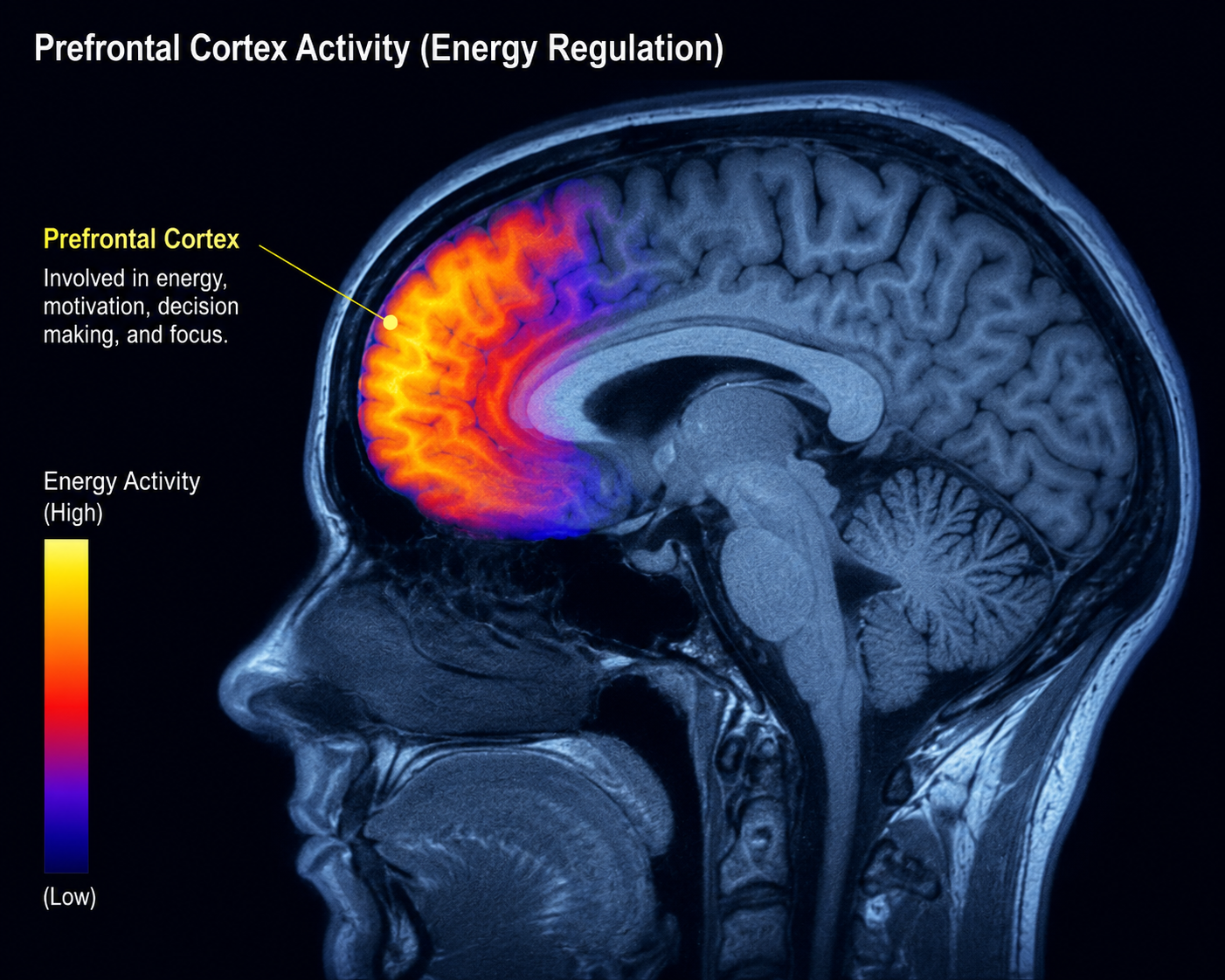
Here's what that research suggests so far:
- Higher NAD+ availability may support more efficient cellular energy production in brain tissue.
- Some studies report improved blood flow to regions involved in attention and working memory.
- A few small trials note self-reported improvements in focus and mental fatigue.
None of this means NAD directly reverses or eliminates brain fog. Researchers are still working out dosing, delivery methods, and which populations may benefit most. If you've read our guide on how to improve mental clarity and focus, you already know that most cognitive symptoms respond best to a combination of strategies, not a single input.
Individual results vary considerably. Age, baseline NAD+ levels, overall health, sleep quality, and the underlying cause of your brain fog all influence whether NAD support makes a noticeable difference for you personally.
Potential Benefits of NAD for Brain Fog
NAD's potential benefits for brain fog center on supporting cellular energy, mitochondrial function, and cellular repair processes in the brain, without functioning as a proven clinical treatment. These are potential, not guaranteed, effects.
Researchers and clinicians point to several possible benefits worth understanding:
- Cellular energy support: NAD+ is a required cofactor for converting food into usable energy at the cellular level.
- Brain energy metabolism: Brain cells are especially energy-hungry, so adequate NAD+ may help support consistent function.
- Mental clarity: Some users and small studies report a subjective sense of clearer thinking.
- Focus and concentration: Anecdotal and early research suggests possible support for sustained attention.
- Healthy aging support: NAD+ interacts with pathways tied to cellular aging and repair.
- Mitochondrial function: NAD+ is essential to how mitochondria, the cell's energy generators, operate.
- Cellular repair: NAD+ is a cofactor for enzymes involved in DNA repair and stress response.
According to Mayo Clinic, NAD+ levels can decline by roughly 50% between young adulthood and middle age, which is part of why researchers are interested in whether restoring it supports healthy cognitive aging.
It matters to separate potential benefits from proven clinical effects. Much of the current evidence comes from cell studies, animal research, or small human trials, not the large, controlled studies typically required to confirm a treatment. Our post on the best supplements for brain fog covers other ingredients researchers are studying with a similarly cautious lens.
How Does NAD Work in the Brain?
NAD works in the brain primarily by fueling mitochondrial function, supporting cellular repair, and enabling the chemical reactions neurons need to communicate and stay healthy. Understanding this mechanism helps explain why researchers connect it to cognitive symptoms.
At its core, NAD+ participates in energy metabolism by shuttling electrons during the process that produces ATP, the primary energy currency of every cell. Mitochondria, often called the cell's powerhouses, rely on NAD+ to convert nutrients into ATP efficiently.
NAD+ also drives redox reactions, cycling between its oxidized (NAD+) and reduced (NADH) states as it helps transfer energy throughout the cell. Beyond energy, NAD+ acts as a required cofactor for several important enzyme families:
- Sirtuins, which regulate cellular stress response and are tied to healthy aging
- PARPs, enzymes involved in DNA repair
- Enzymes involved in cellular signaling and communication between neurons
Because neurons depend heavily on efficient energy production and are particularly vulnerable to oxidative stress, adequate NAD+ availability may support healthier cellular signaling, according to research cited by the National Institute on Aging. NAD+ has also been studied in connection with neuroinflammation, since chronic inflammation in brain tissue can impair how efficiently neurons function.
NAD levels naturally decline with age, and factors like chronic stress, poor sleep, and certain health conditions can accelerate that decline. This is one reason NAD has become a focus in longevity and cognitive-aging research more broadly.
NAD Supplements and NAD Precursors for Brain Fog
NAD supplements and NAD precursors both aim to raise NAD+ levels, but they take different paths to get there, and the delivery method affects how much actually reaches your bloodstream. Choosing between them depends on your goals, budget, and tolerance for the evidence gaps that still exist.
Your body naturally produces NAD+ through several biological pathways, including the conversion of dietary compounds like tryptophan and vitamin B3. NAD+ supplementation typically works by providing precursor molecules that your cells convert into NAD+ internally.
The two most studied precursors are:
- Nicotinamide riboside (NR): A vitamin B3 derivative that some small clinical studies have linked to increased blood NAD+ levels and improved blood flow to brain regions involved in attention, according to research published in peer-reviewed journals.
- Nicotinamide mononucleotide (NMN): A closely related precursor, one metabolic step closer to NAD+, that early research suggests may raise NAD+ levels efficiently across various tissues.
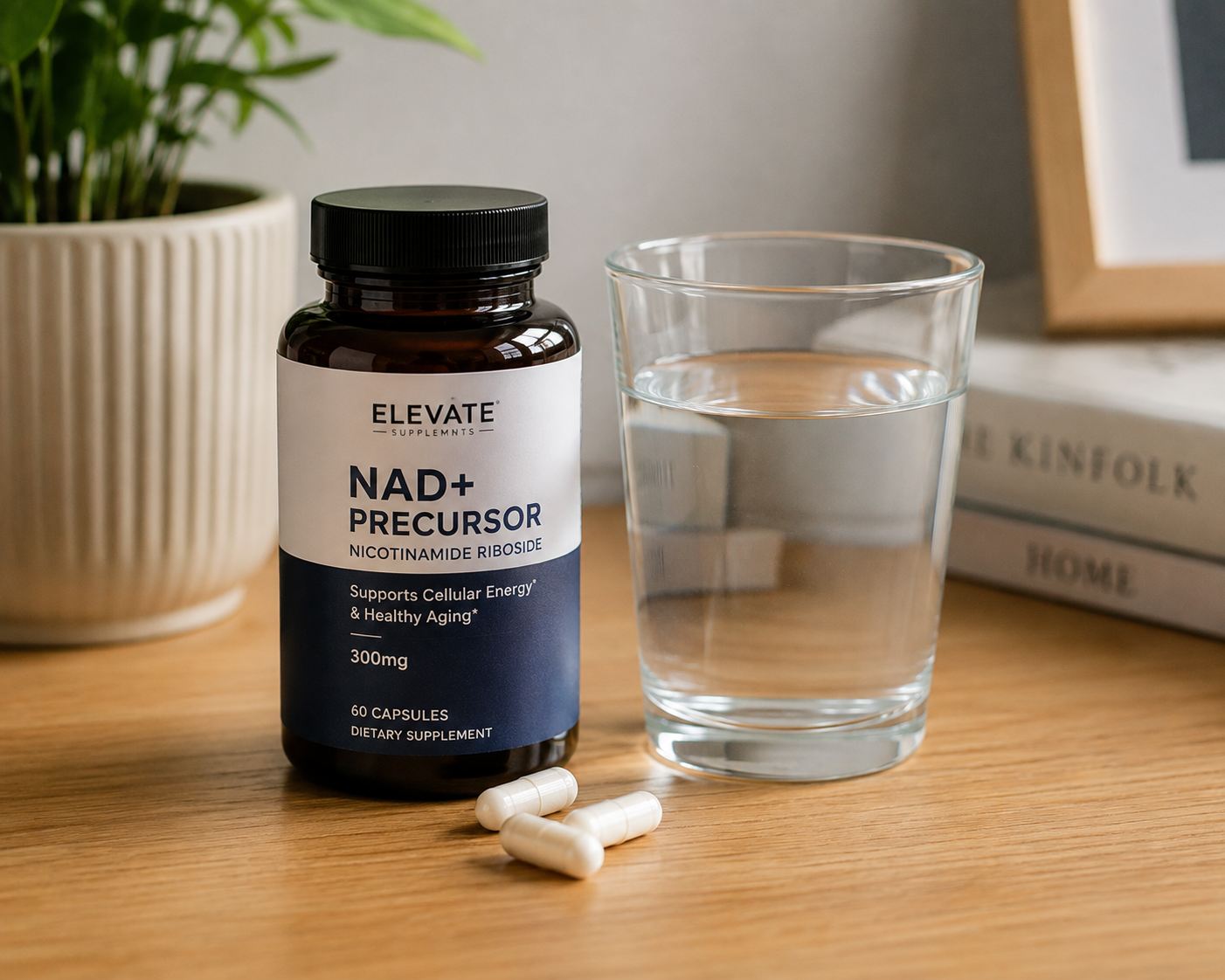
For some people exploring NAD for brain fog, clinics offering supervised IV delivery, such as Klearmind's Wellness IV & Injections program, are one option worth discussing with a clinician alongside oral precursors. Neither approach should be viewed as a guaranteed fix.
Several factors influence your baseline NAD levels, including age, diet, alcohol use, chronic stress, and sleep quality. Because supplement quality and formulation vary widely, choosing a reputable, third-party-tested product matters more than choosing the highest dose on the shelf.
NAD Side Effects and Safety
NAD-related supplements and infusions are generally considered well-tolerated for most healthy adults, but they can cause mild side effects and are not risk-free for everyone. Safety depends heavily on the form used, the dose, and your individual health profile.
Commonly reported side effects include:
- Mild digestive upset, nausea, or cramping (more common with oral precursors)
- Flushing or a warm sensation
- Headache or fatigue, particularly with IV administration
- Injection-site discomfort with IV or injectable forms
According to the FDA, NAD+ precursor supplements are regulated as dietary supplements, not approved drugs, meaning they haven't undergone the same rigorous testing required for prescription medications.
Safety can differ considerably between an oral capsule, an injectable, and an IV infusion, since delivery method affects both absorption and the likelihood of side effects. If you take medications, have a chronic health condition, or are pregnant or breastfeeding, talk to a healthcare provider before starting any NAD product, since potential interactions haven't been fully studied.
Higher doses are not automatically better or safer. Because research on optimal dosing is still developing, more is not necessarily more effective, and unsupervised high doses could increase the risk of side effects.
Choosing a reputable brand or a licensed clinic matters. Look for third-party testing, transparent sourcing, and a supervised medical setting for IV transfusions.
Medical disclaimer: This article is for informational purposes only and is not medical advice. Talk to a qualified healthcare provider before starting, stopping, or changing any treatment or supplement.
Persistent brain fog deserves a proper evaluation rather than a supplement alone. NAD should not replace an assessment of underlying causes, especially if your symptoms are severe, sudden, or worsening.
What Else Can Cause Brain Fog?
Brain fog usually has more to do with everyday habits and underlying health issues than with NAD levels alone, which is why a full picture matters more than any single supplement. Ruling out common causes first often makes the biggest difference.
Common contributors include:
- Poor sleep: Inconsistent or insufficient sleep is one of the most common, reversible causes of brain fog.
- Stress and mental fatigue: Chronic stress affects attention, memory, and processing speed.
- Diet and nutrition: Blood sugar swings, deficiencies (like B12 or iron), and inadequate nutrition can all cloud thinking.
- Dehydration: Even mild dehydration has been linked to reduced concentration and alertness.
- Medication side effects: Some prescriptions list cognitive fog as a documented side effect.
- Hormonal changes: Thyroid issues, perimenopause, and menopause commonly bring brain fog symptoms; our guide to the best supplements for menopause brain fog covers this in more depth.
- Underlying health conditions: Depression, anxiety, long COVID, and autoimmune conditions are frequently tied to cognitive fog; see our article on depression and brain fog for more.
- Lifestyle factors: Sedentary habits, excessive alcohol use, and lack of mental stimulation all play a role.

If brain fog is persistent, worsening, or interfering with daily life, that's a signal to seek a medical evaluation rather than choosing self-treatment. A clinician can help identify whether an underlying condition, medication, or nutrient deficiency is the real driver.
Final Verdict: Is NAD Worth Considering for Brain Fog?
NAD has an important role in cellular energy production and brain function, which makes it an interesting area of research for people experiencing brain fog. However, current evidence does not establish NAD supplementation as a proven treatment for brain fog, so underlying causes and overall health should always be considered.
If brain fog persists despite addressing basic lifestyle changes, and you want to check whether NAD for brain fog supports your situation, that's a reasonable conversation to have with a healthcare provider. It's one option among several, not a replacement for identifying what's actually driving your symptoms.
Frequently Asked Questions
Can NAD help with brain fog?
NAD may help support brain fog for some people by fueling cellular energy production in brain cells, but it is not a proven, standalone treatment. Current research is promising but limited to small studies. Most experts recommend viewing NAD as a potential complement to, not a replacement for, addressing the underlying cause of your brain fog.
What is the best NAD supplement for brain fog?
There isn't a single "best" NAD supplement, since research on optimal forms and doses is still developing. Oral precursors like NR and NMN are the most commonly studied options, while IV NAD+ is available at some clinics under medical supervision. Choosing a reputable, third-party-tested product matters more than any specific brand name.
Does NAD+ improve mental clarity?
Some small studies and user reports suggest NAD+ may support mental clarity by improving cellular energy and blood flow in the brain. However, clinical evidence remains limited, and results vary from person to person. It should not be expected to produce dramatic or guaranteed improvements.
Does NAD increase focus and concentration?
Early research suggests NAD may support focus and concentration by helping brain cells produce energy more efficiently, but this hasn't been definitively proven in large clinical trials. Some people report noticeable improvements, while others notice little change. Individual factors like baseline NAD levels and overall health likely play a role.
How does NAD affect the brain?
NAD affects the brain primarily by supporting mitochondrial function, ATP production, and cellular repair processes that neurons depend on. It also plays a role in redox reactions and enzyme activity linked to cellular stress response. Because brain cells require substantial energy, adequate NAD+ availability may support healthier cellular signaling.
What are the side effects of NAD supplements?
Reported side effects include mild nausea, digestive discomfort, flushing, headache, and fatigue, with IV forms sometimes causing infusion-site discomfort. Side effects tend to be mild for most healthy adults but can vary by delivery method and dose. Talk to a healthcare provider before starting, especially if you take other medications.
What is the difference between NAD+ and NMN?
NAD+ is the active molecule your cells use directly for energy production, while nicotinamide mononucleotide (NMN) is a precursor your body converts into NAD+. NMN is one metabolic step closer to NAD+ than some other precursors. Both are studied for their potential role in supporting cellular energy and healthy aging.
What is the difference between NAD+ and NR?
NAD+ is the functional molecule itself, while nicotinamide riboside (NR) is a precursor compound the body metabolizes into NAD+. NR is a form of vitamin B3 that some small clinical studies have linked to increased blood NAD+ levels. Neither NR nor NAD+ has been proven as a direct brain fog treatment.
How long does it take for NAD supplements to work?
Timelines vary widely depending on the form, dose, and individual, since there's no universally established timeframe backed by large clinical trials. Some people report noticing effects within days to weeks with consistent oral use, while IV NAD+ effects, if any, are sometimes reported sooner. Results are not guaranteed and should be discussed with a healthcare provider.
What causes low NAD levels?
NAD levels naturally decline with age, and factors like chronic stress, poor sleep, excessive alcohol use, and inadequate nutrition can accelerate that decline. Certain health conditions and inflammatory processes may also affect NAD metabolism. This is part of why researchers are interested in strategies to support healthy NAD levels over time.
Can low NAD cause brain fog?
Lower NAD+ levels may contribute to reduced cellular energy in brain tissue, which researchers believe could play a role in some cases of brain fog. However, brain fog is rarely caused by one single factor, and low NAD is just one of many possible contributors. Sleep, stress, diet, and underlying health conditions are often equally or more significant.
When should you see a doctor for brain fog?
See a doctor if brain fog is persistent, worsening, or interfering with daily life, work, or safety. It's especially important to seek evaluation if brain fog comes with other symptoms like fatigue, mood changes, or memory problems that don't improve with rest. A clinician can help identify and address the underlying cause rather than just the symptom.
We're here to listen,
not just to treat
.avif)

We're here to listen,
not just to treat
.avif)
