
What Is Semax Peptide? Uses, Benefits, Effects & Nasal Spray Guide
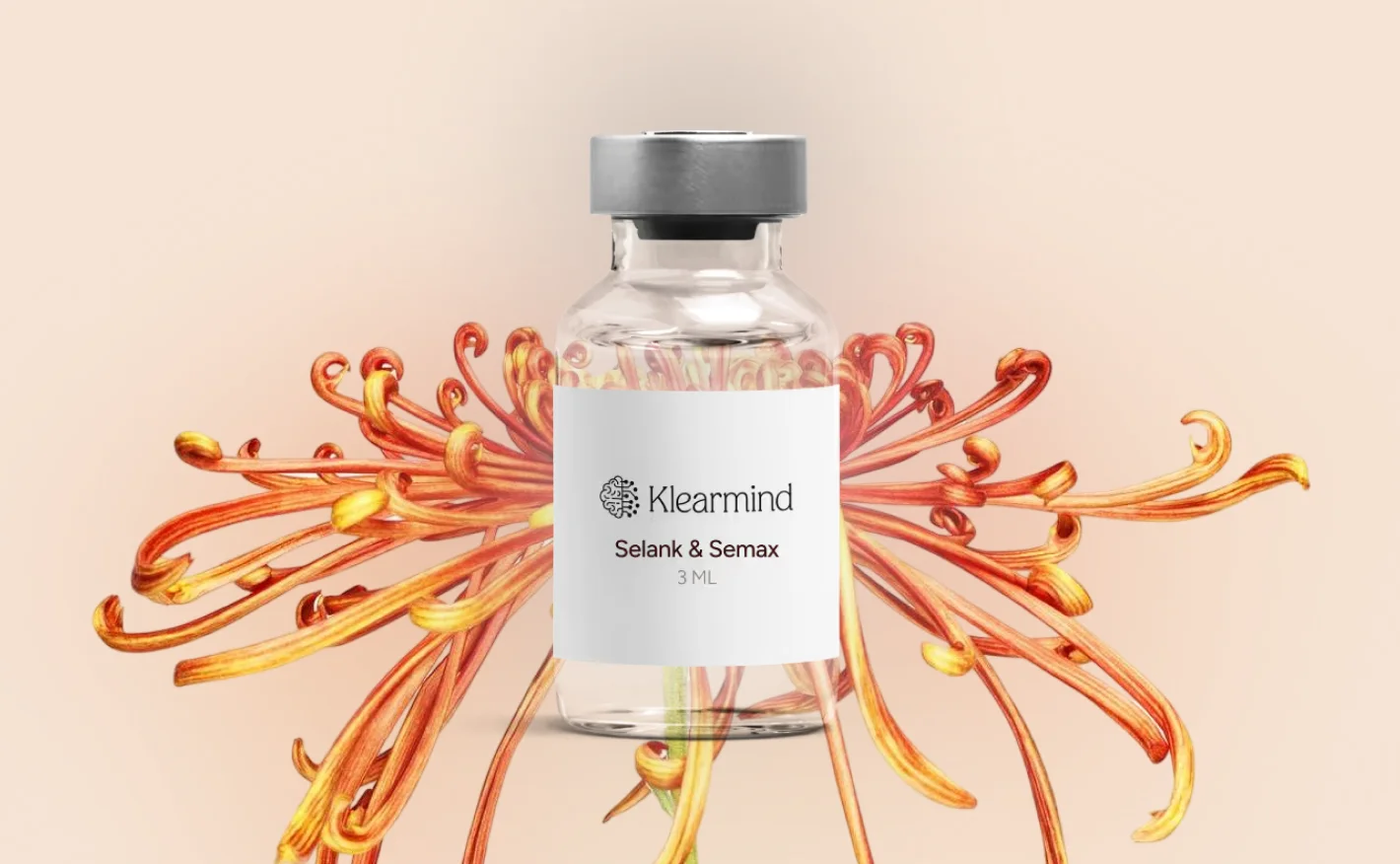

What is Semax peptide, and what are its benefits? Is it safe, and who is using it? Learn what Semax does, its benefits, effects and safety standards. In this comprehensive guide, we break down what Semax is, how it works, what it’s used for, and what current research suggests about its potential effects and safety profile. Understand also how Semax nasal spray works and the best ways to administer it.
What Is Semax and What Does It Actually Do?
Semax is a synthetic nootropic peptide derived from an adrenocorticotropic hormone (ACTH) fragment, developed to support cognitive function, neuroprotection, and mental performance.
Originally developed for clinical research in Russia, Semax has become a topic of interest among medical practitioners and individuals exploring
- cognitive enhancement
- memory and focus
- brain function optimization
Unlike full ACTH, a natural endogenous peptide, Semax does not significantly stimulate adrenal hormone production. Instead, it’s known for:
- BDNF (brain-derived neurotrophic factor) modulation, which aids in boosting neurotransmitter systems (dopamine and serotonin) in the brain.
- Neuroprotective and antioxidant mechanisms: For stroke-related cases, most notably transient ischemic attacks and optic nerve damage.
- Cognitive enhancement (nootropic properties): To enhance memory and learning. It is also studied for its potential in treating ADHD and anxiety.
ACTH stimulates the adrenal glands to produce cortisol, which helps balance the body's reaction to stress, infection, or anxiety. An excess or reduced secretion of cortisol leads to Cushing syndrome and Addison’s disease, respectively.
💡 Ischemic brain stroke is one of the major contributors to mortality and disability worldwide. As a result of a critical reduction of blood flow in the brain, it causes massive loss of neurons and leads to the formation of the necrotic core and the penumbra zone [Source]
What Are Semax Peptide Benefits?
In research and clinical contexts, Semax peptide has been known to improve:
1. Cognitive Enhancement and Memory Support
Semax has been investigated for its potential role in improving:
- Learning capacity
- Memory retention
- Attention span
- Mental clarity
Some studies suggest it may enhance neuroplastic processes through BDNF-related pathways.
2. Focus and Attention Support
Unlike stimulants that increase alertness via sympathetic activation, Semax appears to influence neurotransmitter balance more subtly. Research suggests possible modulation of dopamine pathways that heighten motivation and executive function.
3. Neuroprotective Effects
Semax has been studied in:
- Stroke recovery research
- Ischemic brain injury contexts
- Mild cognitive impairment models
Preclinical data suggest antioxidant and anti-inflammatory properties in Semax effects that may support neuronal resilience.
4. Mood and Motivation Support
Some research indicates that Semax may influence serotonin and dopamine metabolism, potentially contributing to emotional regulation and motivation. However, large-scale Western clinical trials are limited.
Who Needs Semax?
Outside of formal clinical settings, interest often comes from:
- High-performance professionals looking to improve memory and focus
- Students during intensive study periods for added cognitive enhancement
- Individuals exploring cognitive longevity
- Biohackers exploring peptide research
Studies have shown that Semax promotes the survival of neurons during hypoxia and glutamate neurotoxicity. It also shows neuroprotective properties and contributes to mitochondrial stability under stress induced by the deregulation of calcium ion flow. [Source]
What Does Semax Do in the Brain?
Semax peptide has been used clinically in Russia for certain neurological applications, including stroke recovery and cognitive disorders. Research suggests it influences brain function through several mechanisms:
- Neuroprotection: Studies suggest Semax may provide neuroprotective effects during ischemia by reducing inflammation-related gene expression and supporting neuronal survival. Researchers have looked into it in relation to strokes, transient ischemic attacks, and problems with the optic nerve.
- Cognitive Enhancement (Nootropic Properties): Semax may enhance memory and learning by upregulating brain-derived neurotrophic factor (BDNF) signaling in the hippocampus through the BDNF/TrkB pathway, which plays a key role in synaptic plasticity and long-term memory formation.
- Brain Chemistry Modification: Studies suggest Semax can increase levels of neurotrophic factors and influence key neurotransmitter systems, particularly dopamine and serotonin, which are involved in motivation, mood, and cognitive performance.
1. BDNF Modulation
Semax has been shown in preclinical and gene expression studies to influence levels of brain-derived neurotrophic factor (BDNF), a protein involved in:
- Synaptic plasticity
- Learning and memory formation
- Neuronal survival
BDNF plays a critical role in cognitive processing and recovery from neurological injury.
2. Dopamine and Serotonin Influence
Research suggests Semax may:
- Modulate dopamine turnover
- Influence serotonin metabolism
- Affect gene expression related to neurotransmitter systems
These effects may contribute to improved cognitive performance and emotional balance in some study participants.
3. Neuroprotective and Antioxidant Semax Effects
Animal and laboratory studies suggest Semax may:
- Reduce oxidative stress
- Support cellular resilience under ischemic conditions
- Promote adaptive stress responses
These mechanisms have made it a subject of interest in stroke and brain injury research.
What Is Semax Nasal Spray, and How Is It Used?
Semax is most commonly administered as a nasal spray, though it is also available in injectable form (typically subcutaneous) in some clinical and research settings.
Intranasal delivery is widely used because it allows the peptide to partially bypass the blood–brain barrier through the olfactory nerve pathways, helping it reach the central nervous system more efficiently than oral administration. Because of this mechanism, some users report noticeable effects within 30–40 minutes.
Why Intranasal Delivery?
Intranasal administration:
- Bypasses digestive breakdown
- Provides relatively rapid absorption
- May partially utilize olfactory pathways to access the brain
Comparison to Other Formats
General Usage Considerations
Research dosing protocols vary. Frequency and duration depend on the study design. Because Semax is not FDA-approved for cognitive enhancement in many countries, medical guidance is recommended before considering investigational use.
Semax Peptide Benefits: A Complete Overview
Semax is a synthetic heptapeptide derived from an ACTH fragment, developed to support cognitive function, promote neuroprotection, and enhance mental performance.
Based on available research, reported Semax benefits may include improved focus, cognitive support, neuroprotective potential, emotional balance, and greater resilience to stress.
However, much of the existing evidence comes from Russian clinical literature, and broader international research remains limited. Regulatory approval also varies by country.
As with any peptide therapy, it is recommended to consult a qualified practitioner before use. If you would like to learn more, you can book a consultation with us to determine whether Semax may be appropriate for your needs.
FAQs
1. What is Semax, and how does it work?
Semax is a synthetic peptide derived from an ACTH fragment. It works by influencing neurotrophic factors like BDNF and modulating dopamine and serotonin pathways, potentially supporting cognitive performance and neuroprotection in research settings.
2. What is Semax peptide used for?
Semax peptide is studied for cognitive enhancement, memory support, attention improvement, and neuroprotective applications, including stroke recovery research.
3. What does Semax peptide do in the brain?
In the brain, Semax may modulate BDNF expression, influence dopamine and serotonin metabolism, and support neuronal resilience through antioxidant mechanisms.
4. What are the main Semax benefits?
Reported Semax benefits include improved memory, enhanced focus, neuroprotective potential, mood support, and stress resilience. Evidence is primarily derived from small clinical and preclinical studies.
5. What is Semax nasal spray used for?
Semax nasal spray is used as a delivery method to support central nervous system access in research contexts. Intranasal administration allows faster absorption compared to oral forms.
6. How long does Semax take to work?
Some reports suggest noticeable cognitive effects within 30–60 minutes after intranasal administration. Research protocols often evaluate benefits over several days to weeks.
7. Is Semax safe for daily use?
Short-term studies suggest a favorable safety profile with minimal reported adverse effects. However, long-term data outside Russian clinical use remain limited, and Semax is not FDA-approved in many countries.
8. Are there any side effects of Semax?
Reported side effects are uncommon but may include mild nasal irritation or headache. Large-scale long-term safety data are still limited, and medical supervision is recommended when considering investigational peptides.
9. Is Semax legal?
The legal status of Semax depends on the country. In some countries, such as Russia, Semax is approved for medical use. However, in many other countries, including the United States, it is not approved by regulatory agencies for prescription or over-the-counter use. Always check your local regulations before purchasing or using Semax.
10. Is Semax a peptide?
Yes, Semax is a synthetic peptide. It is derived from a fragment of adrenocorticotropic hormone (ACTH) and is classified as a nootropic peptide due to its potential cognitive-enhancing and neuroprotective properties.
11. How long does Semax take to work?
Many users report noticing some effects of Semax, such as improved focus or mental clarity, within a few hours of administration. However, the timeline can vary depending on the individual, dosage, and intended use. For cognitive or neurological benefits, consistent use over several days or weeks may be required to experience the full effects.
Get Semax Prescribed by a Doctor
.avif)
%2520(1).png)
Get Semax Prescribed by a Doctor
.avif)
