
What Are Nootropics? Complete Guide to Brain Supplements


What are nootropics, and how do they work? Explore their benefits, types, and safety risks in this detailed article that’ll tell you everything there is to know about nootropics.
What Are Nootropics and What Do They Actually Do?
Nootropics, often referred to as brain supplements or cognitive enhancers, are compounds designed to improve mental performance, enhance memory, boost focus, and support overall brain health.
They come in two forms: natural and synthetic. Natural nootropics are made from plants, herbs, fungi, and whole foods. They are over-the-counter supplements. Synthetic nootropics, on the other hand, are lab-made and are mostly prescription-based.
What do nootropics actually do? They may support cognitive functions via several mechanisms, like:
- Increasing blood flow to the brain
- Supporting neurotransmitter production and signalling
- Providing neuroprotective and antioxidant effects
- Reducing cortisol or stress hormones
- Modulating brain-wave activity
- Supporting neurogenesis
People across various walks of life search for nootropic supplements for a variety of benefits, notably an increase in focus, memory, mood improvement, and more.
Why Are Nootropics Becoming Popular in 2026?
The rising demand for nootropics has a lot to do with the present lifestyle. There is a substantial increase in brain fog, stress, and burnout, as can be seen in multiple global reports.
💡 According to APA’s 2021 Work and Well-being Survey, nearly 3 in 5 employees reported negative impacts of work-related stress, including lack of interest, motivation, or energy (26%). Meanwhile, 36% reported cognitive weariness, 32% reported emotional exhaustion, and an astounding 44% reported physical fatigue.
Add to that, there is a rising demand for constant productivity and mental performance. Even more so, in the age of AI, where the need to work faster and smarter has seeped into all industries. Aging populations and rising stress and demand for focus-enhancing supplements have led to a growing interest in the nootropic supplement market.
The global nootropics market is experiencing rapid growth, driven by demand for cognitive enhancement and, according to Grand View Research, is projected to grow significantly.
Market estimates generally suggest a CAGR between 8.86% and 14.8% from 2024 to 2032, with the market valuation projected to potentially reach over a billion by the early 2030s.
A growing market of nootropic users has begun to use advanced cognitive approaches, which include peptide-based compounds and targeted therapies aimed at improving mental clarity.
We also cannot introduce nootropics without mentioning biohacking and self-optimization trends. In the search for preventive brain health awareness, there is a rise of stacking personalized nootropic supplements to attain a specific objective, like improved focus, cognitive performance, and creativity.
Types of Nootropics (Natural vs Synthetic)
Primarily, there are two types of nootropics: natural and synthetic. Here’s a quick comparison table that differentiates the two:
Here’s a comprehensive report by PubMed stating the benefits of nootropics.
How Do Nootropics Work in the Brain?
What’s the scientific mechanism on which nootropics operate? Here are a few of them:
1. Nootropics for stress reduction and cortisol balance
Nootropics used specifically for focus support the production of neurotransmitters, protect them from rapid breakdown, or regulate the stress hormones, primarily cortisol, that disrupt concentration.
2. Nootropics for brain energy and mitochondrial function
Specific nootropics support mitochondrial ATP production in brain cells, replenish dopamine and norepinephrine (the neurotransmitters most responsible for drive and motivation), and regulate the stress hormones that drain mental stamina.
3. Nootropics for blood flow and oxygen supply
They also can improve cerebral blood flow by acting as an antioxidant. Research suggests modest benefits for memory and processing speed, particularly in older adults.
4. Nootropics for neuroplasticity and learning
Memory formation relies on two key neurological processes: acetylcholine signaling and neuroplasticity. Both are the brain's ability to form, strengthen, and reorganize neural connections. Nootropics can activate both of these functions.
5. Nootropics for neurotransmitters
The most effective nootropics for focus either support the production of neurotransmitters or support the synthesis of dopamine and norepinephrine.
Benefits of Nootropics for Brain Function
Some nootropic compounds are studied for their role in reducing anxiety and improving cognitive resilience. Other than that, they offer a host of benefits.
1. Improved focus and concentration
Nootropics like L-theanine and caffeine work synergistically to sharpen attention and sustain focus during demanding tasks. This makes them popular among students, professionals, and anyone navigating high cognitive workloads.
2. Enhanced memory and learning
Compounds like Bacopa monnieri have clinical evidence supporting improvements in memory recall and the speed at which the brain processes and retains new information. With consistent use over several weeks, users may notice a meaningful difference in both short-term and long-term memory performance.
3. Better Mental Clarity
Certain nootropics support healthy blood flow and neurotransmitter activity in the brain, helping thoughts feel more organized and deliberate. This is particularly useful during periods of high stress or cognitive fatigue.
4. Reduced Brain Fog
Brain fog is often linked to inflammation, poor circulation, or neurotransmitter imbalances, all of which some nootropics are studied to address. Ingredients like Lion's Mane mushrooms and citicoline are among those researched for their role in restoring mental sharpness.
5. Increased Mental Energy
Unlike stimulants that spike and crash, many nootropics support sustained mental energy by optimizing how the brain produces and uses its fuel at a cellular level. This translates to longer periods of productive thinking without the jitteriness or post-caffeine slump.
6. Mood Support
Several nootropic compounds interact with dopaminergic and serotonergic pathways, which are the brain systems most closely tied to motivation, emotional balance, and overall well-being. Adaptogens like Ashwagandha and Rhodiola rosea, in particular, are widely studied for their ability to buffer the cognitive effects of stress and support a more stable mood.
Overall, there are many common uses of nootropics. From students pulling long study sessions and professionals navigating high-pressure workdays to athletes optimizing mental performance and aging adults looking to preserve memory, nootropics appeal to a wide and growing audience.
Even those simply battling daily brain fog or burnout-related fatigue are turning to these supplements for a science-backed path back to clarity and focus.
Popular Nootropic Ingredients and Supplements
What are the popular nootropic ingredients and supplements nowadays?
Let’s start with natural nootropic ingredients made of herbs:
Adaptogens
1. Bacopa Monnieri is one of the most clinically studied herbal nootropics, backed by evidence for improving memory recall and learning after 8–12 weeks of consistent use.
2. Lion's Mane Mushroom is prized for its unique ability to stimulate Nerve Growth Factor (NGF), supporting neuroplasticity and long-term brain health, while Ginkgo Biloba works primarily as a cerebral vasodilator, improving blood flow and oxygen delivery to the brain to support attention and processing speed.
3. Rhodiola Rosea is an adaptogen studied for combating mental fatigue, enhancing stress resilience, and improving mood and concentration under pressure.
Nootropics also come as nutrients, notably
1, Omega-3 fatty acids (EPA and DHA) are foundational to brain structure and have strong evidence linking adequate intake to reduced cognitive decline.
The B vitamin complex, particularly B6, B9, and B12, plays a direct role in neurotransmitter synthesis and protecting the brain against age-related deterioration.
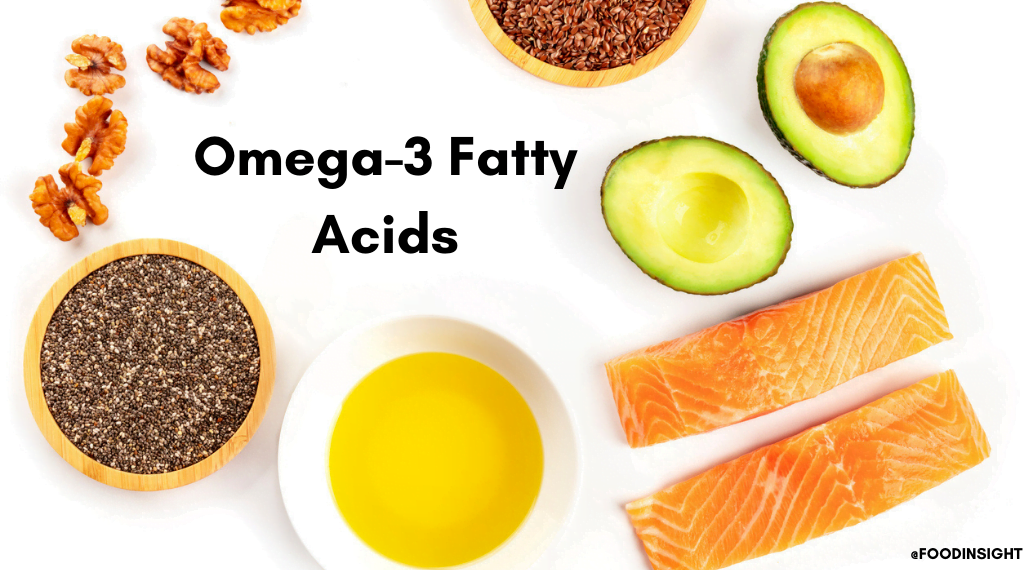
2. Magnesium, especially in its L-threonate form, is studied for its role in synaptic plasticity, memory, and reducing anxiety-related cognitive interference.
And then we have nootropics, which include amino acids and stimulants:
L-theanine, found naturally in green tea, promotes calm, alert focus by elevating alpha brain waves and works especially well paired with caffeine.
Caffeine remains the world's most widely used and evidence-backed nootropic, reliably improving alertness, reaction time, and short-term memory when used in controlled amounts.
Emerging synthetic peptides such as Semax and Selank are also drawing research interest for their potential cognitive and stress-modulating benefits, though clinical evidence in healthy populations is still developing.
What Are Nootropic Supplements?
Nootropic supplements can be consumed as capsules, powder, or drinks. One of their key advantages is standardized dosing. Many supplements are formulated as stacks, combining complementary ingredients like L-theanine with caffeine or Bacopa with Lion's Mane.
Stacking helps target multiple cognitive pathways simultaneously for broader, more synergistic results. Taken consistently, they provide reliable daily support for focus, memory, and mental energy. Many of their core ingredients are also studied for long-term neuroprotective benefits that help maintain brain health well into older age.
Are Nootropics Safe? (Side Effects & Risks)
While natural nootropics are generally well-tolerated, you might experience mild digestive discomfort or headaches.
Synthetic and prescription nootropics carry a higher risk profile, with potential side effects including:
- Insomnia
- Elevated heart rate
- Anxiety,
- And, in some cases, there is dependency.
Overuse and unsupervised stacking of multiple compounds should not be done without professional guidance. The dosage and quantity need to be respected to avoid side effects.
How to Choose the Right Nootropic Supplement
Choosing the right nootropic supplement is wholly dependent on your goal. The first step is to:
- Identify your goal
- Pick nootropics made specially for it and
- Follow the correct dosage and timing for consumption.
Final Verdict: What Are Nootropics and Are They Worth It?
Nootropics are powerful cognitive-enhancing compounds that can support focus, memory, and mental clarity when used correctly, making them increasingly popular in today’s fast-paced world.
In the end, their worth depends on your goals, your life’s demands, and whether they reap you the benefits you’re searching for. You will best realize their benefits when you pair them with realistic expectations, quality products, and the right guidance.
FAQs
1. What are nootropics in simple terms?
Nootropics are cognitive supplements (natural or synthetic) that support or enhance cognitive functions such as memory, focus, attention, creativity, and mental energy.
2. What are nootropics supplements used for?
Nootropic supplements are used to improve or maintain brain health, including cognitive performance, mood, creativity, and focus. Caffeine, as well, is a nootropic. Basically, any supplement that helps improve cognitive functions is a nootropic.
They are used across age groups, from older adults experiencing cognitive decline to students and professionals looking to improve their memory and focus.
3. Are nootropics safe for daily use?
The safety of nootropics depends heavily on the type of substance, dosage, and the individual taking them. Early evidence suggests that natural nootropics are generally safe and well-tolerated when dosed appropriately. Some users might face common issues, including headaches, gastrointestinal upset, and jitteriness, when taken with medications.
Synthetic and prescription nootropics carry higher risk. As a general rule, you should always speak with a medical professional before using any nootropic.
4. Do nootropics actually work?
Honestly, some nootropics actually work when taken consistently and while at rest. For example, caffeine combined with L-theanine reliably improves attention and task switching, Bacopa monnieri improves memory over weeks of consistent use, and omega-3 fatty acids protect brain structure over months and years.
5. What is the best nootropic for beginners?
For those new to nootropics, the caffeine and L-theanine combination is widely regarded as the safest and most evidence-backed starting point. A typical dosage seen in studies is 2:1-200 mg of L-theanine paired with 100 mg of caffeine.
If you're new to nootropics, the most practical approach is to start with a single ingredient at a low dose, give it enough time to evaluate, and track how you feel before adding anything else.
6. What are natural nootropics?
Natural nootropics are cognitive-enhancing compounds derived from plants, herbs, fungi, or substances already found in the human body. Examples include Ginkgo biloba and Panax quinquefolius (American ginseng).
7. How long do nootropics take to work?
The onset time varies significantly depending on the compound. Caffeine leads to a rapid improvement in alertness, generally within 30–60 minutes after ingestion.
L-theanine begins to take effect within 45 minutes and maintains its impact for approximately four hours. Overall, it also depends on your body’s composition, dosage, and time of consumption.
8. Can nootropics improve memory and focus?
Yes, certain nootropics have demonstrated meaningful effects on both memory and focus. For example, caffeine and L-theanine are the combination with the most consistent data.
For memory specifically, Bacopa monnieri has genuine clinical evidence, with healthy elderly adults showing significant improvements in sustained attention and memory quality.
We're here to listen,
not just to treat
.avif)

We're here to listen,
not just to treat
.avif)
