
How to Reduce Anxiety Fast: Proven Ways to Feel Calm
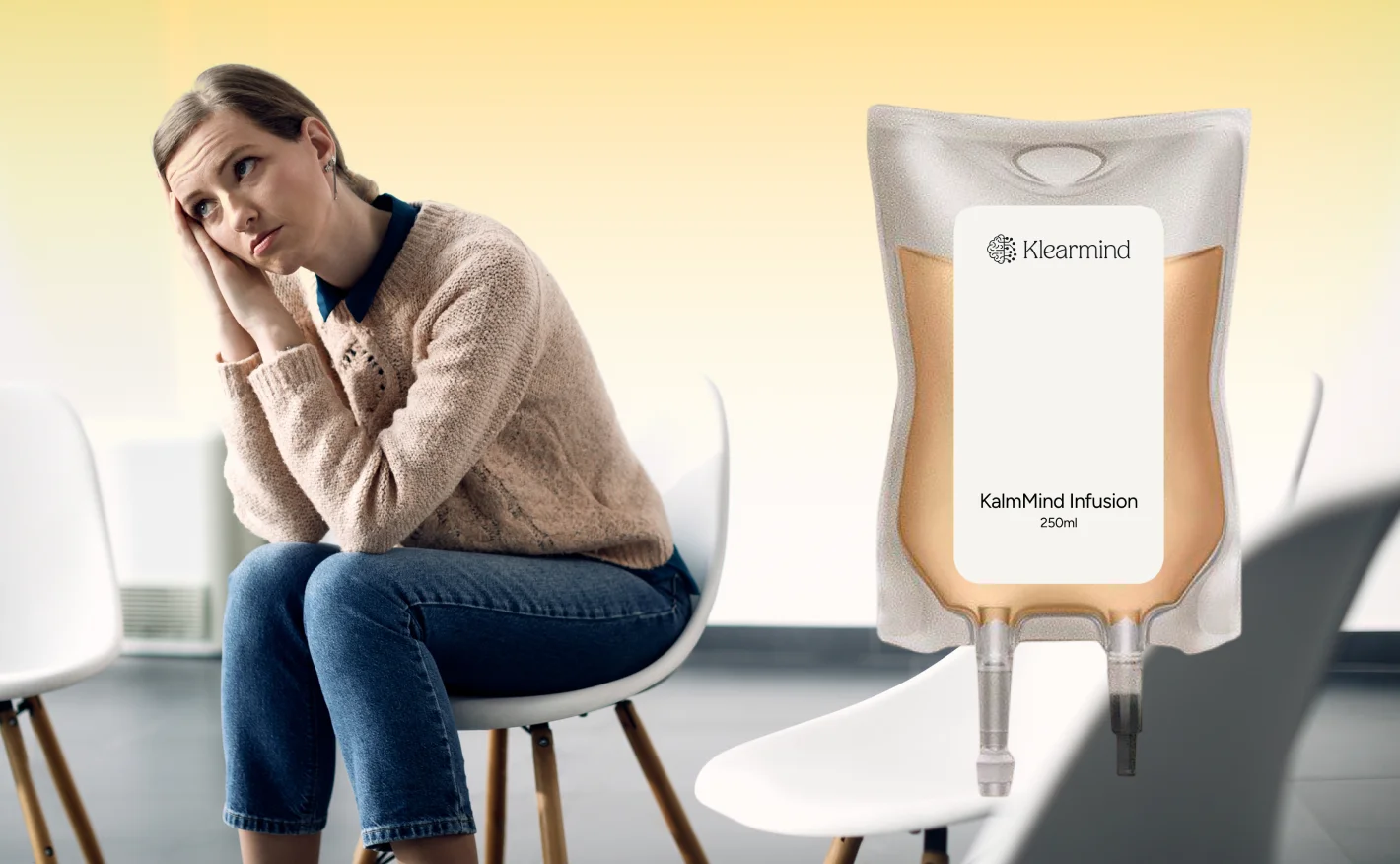

If you want to know how to reduce anxiety, the fastest place to start is with simple, body-based techniques that calm your nervous system in the moment: slow breathing, grounding, muscle relaxation, and stepping away from overstimulation.
These tools will not solve every cause of anxiety, but they can help you feel more in control quickly. And if your symptoms keep returning, longer-term strategies like mindfulness, better sleep, exercise, and therapy can make a real difference.
Why does anxiety hit so suddenly? Why does your heart race even when nothing dangerous is happening? And what should you do when you need relief right now, not later?
Anxiety is common, treatable, and more widespread than many people realize. The World Health Organization says anxiety disorders affected 359 million people in 2021, making them the most common mental disorders globally.
What Is Anxiety and How Does It Affect the Body?
Anxiety is the body’s natural response to stress, triggering physical and emotional reactions designed to protect you from perceived threats.
In small amounts, that response can be useful. It can help you stay alert before a presentation, a test, or an important meeting. But when anxiety becomes intense, persistent, or hard to control, it can interfere with sleep, work, relationships, and daily life.
It helps to separate three related ideas:
- Stress is your response to pressure
- Fear is your reaction to an immediate threat
- Anxiety is ongoing worry, tension, or dread about what might happen
Common anxiety symptoms include:
- rapid heartbeat
- sweating or shaking
- restlessness
- nausea or stomach discomfort
- trouble concentrating
- irritability
- sleep problems
- a sense of panic or doom
That is why so many people search for how to reduce anxiety immediately. They are not just looking for theory. They want something practical that helps them feel normal again.
Source: World Health Organization anxiety overview; NIMH anxiety disorders overview.
Why Do People Want to Reduce Anxiety Fast?
The need for fast relief is real. Anxiety can flare up before interviews, flights, deadlines, difficult conversations, or even for no obvious reason at all. For some people, symptoms come in waves. For others, anxiety sits in the background all day and spikes when life becomes overwhelming.
Modern life does not help. Constant notifications, social pressure, lack of sleep, too much caffeine, and nonstop exposure to stressful news can all raise your baseline stress level.
The CDC specifically recommends taking breaks from news and social media, making time to unwind, journaling, meditating, and connecting with trusted people as healthy ways to cope with stress.
So when people ask how to reduce anxiety fast, they are usually asking one of two things:
- How do I calm down right now?
- How do I stop this from happening so often?
You need both answers. Immediate relief helps in the moment. Long-term habits help lower the chances of repeated episodes.
How to Reduce Anxiety Immediately
If you need to know how to reduce anxiety immediately, start with techniques that signal safety to your body. These are simple, but they work because anxiety is not only mental. It is physical, too.
1. Use deep breathing exercises
Slow breathing is one of the most effective first steps. The NHS recommends breathing gently and regularly, breathing in through your nose and out through your mouth, and continuing for at least 5 minutes. Slow breathing and progressive muscle relaxation are also listed by the WHO as self-care tools that can help manage anxiety symptoms.
Try this:
- Inhale for 4
- Hold for 4
- Exhale for 6
- Repeat for 2 to 5 minutes
If your breathing becomes smoother, your body often follows.
2. Try grounding techniques
Grounding techniques help pull your attention away from spiraling thoughts and back into the present moment.
Use the 5-4-3-2-1 method:
- 5 things you can see
- 4 things you can feel
- 3 things you can hear
- 2 things you can smell
- 1 thing you can taste
This works well when your mind is racing, and you need something concrete to focus on. Grounding is commonly used to return attention to the present during anxious moments.
3. Relax your muscles on purpose
Anxiety tightens the body. Your jaw, shoulders, neck, chest, and hands may tense up without you realizing it. Progressive muscle relaxation helps reverse that pattern. WHO specifically includes relaxation skills and progressive muscle relaxation in self-care guidance for anxiety.
Tense one muscle group for 5 seconds, then release. Start with your shoulders, hands, or legs.
4. Reduce sensory overload
If possible:
- Move to a quieter room
- Lower bright lights
- Step away from your phone
- Sit down and place both feet on the floor
Even a short environmental reset can help curb anxiety.
5. Splash cool water on your face
The CDC notes that cool water, deep breaths, stretching, yoga, and meditation can help reduce tension and calm nerves. For some people, cool water provides a quick sensory break that interrupts panic-like symptoms.
If your anxiety feels intense, frequent, or hard to manage on your own, you can explore ketamine-assisted therapy options to learn more about clinically supervised treatment support.
How to Reduce Anxiety Fast Using Proven Daily Techniques
Once the immediate wave passes, the next question becomes how to reduce anxiety fast on a day-to-day basis. The answer is consistency.
1. Practice mindfulness
Mindfulness helps you notice anxious thoughts without immediately reacting to them. The NHS says mindfulness can help with stress, anxiety, and depression, though it is not the right fit for everyone.
A simple version:
- Sit comfortably
- Focus on your breath
- When thoughts appear, notice them
- Gently bring attention back
2. Try meditation for anxiety
Even a few minutes of meditation for anxiety can help you slow down mentally. The NHS includes mindful breathing and relaxation audio guides as self-help tools for anxiety.
3. Move your body
Exercise is one of the best forms of stress management. WHO notes that exercise programmes can help prevent anxiety disorders in adults, and its self-care guidance recommends regular exercise, even a short walk.
You do not need an intense workout. A 10- to 20-minute walk can help discharge nervous energy.
4. Write it down
The CDC suggests journaling as a healthy way to cope with stress. Writing down what you are worried about can make anxiety feel less abstract and more manageable.
5. Watch caffeine and alcohol
WHO advises avoiding or cutting down on alcohol and not using illicit drugs, since these can make anxiety worse. Caffeine can also increase jitteriness for many people, especially if you are already tense.
You can also explore wellness support for relaxation and stress relief as part of a broader approach to managing daily anxiety.
How to Reduce Nervousness and Anxiety in High-Pressure Situations
If you want to know how to reduce nervousness and anxiety before an event, performance, or difficult conversation, preparation matters.
Here are practical ways to calm yourself before the pressure hits:
1. Rehearse the situation
Anxiety gets worse when everything feels uncertain. Practice what you want to say. Visualize the room. Mentally walk through the event.
2. Use a pre-event breathing routine
Do 2 to 3 minutes of slow breathing before the event starts. This can reduce the physical symptoms that make nervousness feel bigger.
3. Reframe the sensation
Try saying:
- “My body is activated, but I am safe.”
- “This feeling will pass.”
- “I do not need to feel perfect to do this well.”
4. Adjust your posture
Standing tall, uncrossing your arms, and relaxing your shoulders can reduce the closed-off body language that often reinforces anxiety.
These steps are especially useful before interviews, social events, public speaking, presentations, and travel.
How to Reduce Stress and Anxiety Naturally
If your goal is to reduce stress and anxiety over time, natural daily habits matter more than one-time hacks.
Lifestyle changes that help lower anxiety
1. Sleep
Poor sleep doesn’t just make you tired; it directly affects how your brain processes stress. When you don’t get enough rest, your mind becomes more reactive, which can make small worries feel much bigger than they actually are.
Over time, this can create a cycle where anxiety disrupts sleep, and lack of sleep worsens anxiety.
To improve sleep quality:
- Go to bed and wake up at the same time every day
- Avoid screens at least 30-60 minutes before bed
- Limit caffeine in the evening
- Create a calming nighttime routine (reading, light stretching, or breathing exercises)
- Keep your room cool, dark, and quiet
Even small improvements in sleep consistency can significantly reduce baseline anxiety levels.
2. Diet and Hydration
What you eat and drink plays a bigger role in anxiety than most people realize. Blood sugar fluctuations, dehydration, and nutrient deficiencies can all contribute to irritability, fatigue, and heightened stress responses.
To support a more stable mood:
- Eat balanced meals with protein, healthy fats, and complex carbs
- Avoid long gaps between meals to prevent energy crashes
- Drink enough water throughout the day
- Reduce excess caffeine if you notice jitteriness
- Limit highly processed or sugary foods
A steady energy supply helps your brain stay regulated, which makes it easier to manage anxious thoughts and emotions.
3. Exercise
Regular physical activity is one of the most effective natural tools for reducing anxiety. Movement helps release built-up tension, lowers stress hormones like cortisol, and boosts mood-enhancing chemicals such as endorphins.
You don’t need intense workouts to see benefits:
- A 10-20 minute walk can improve mood
- Light jogging, cycling, or yoga can reduce physical tension
- Stretching helps relax tight muscles caused by stress
The key is consistency, not intensity. Even small amounts of daily movement can help lower overall anxiety levels and improve resilience over time.
4. Time Outdoors
Spending time outside has a calming effect on both the mind and body. Natural light helps regulate your sleep-wake cycle, while fresh air and greenery can reduce mental fatigue and improve focus.
Simple ways to incorporate this:
- Take short walks during the day
- Sit outside with your morning coffee or tea
- Spend time in parks or green spaces
- Combine outdoor time with exercise or relaxation
Even 10-15 minutes outdoors can help reset your mental state and reduce feelings of overwhelm.
5. Digital Boundaries
Constant exposure to screens, notifications, and news can keep your brain in a heightened state of alertness. This ongoing stimulation makes it harder for your mind to relax, increasing stress and anxiety over time.
To reduce digital overload:
- Set specific times to check the news or social media
- Turn off non-essential notifications
- Take regular screen breaks throughout the day
- Avoid scrolling right before bed
- Create “no-phone” periods, especially in the morning and night
Reducing digital noise gives your brain space to slow down, making it easier to stay calm and focused.
These lifestyle changes (diet & exercise) are not instant cures, but they can lower your baseline anxiety and make you more resilient.
How to Lower Anxiety Through Brain and Behavior Changes
If you keep asking how to lower anxiety, it may be time to work on the thought patterns that keep it going.
1. Cognitive behavioral therapy (CBT)
Cognitive behavioral therapy (CBT) is one of the most evidence-supported psychological approaches for anxiety. WHO says the psychological interventions with the most evidence for treating a range of anxiety disorders are based on CBT principles, including exposure therapy.
CBT helps you:
- Identify distorted thinking
- Question worst-case assumptions
- Replace unhelpful thought patterns
- Gradually face triggers instead of avoiding them
Build emotional resilience
You can also lower anxiety by:
- Keeping routines predictable
- Limiting avoidance
- Strengthening social support
- Practicing coping skills before you need them
This is how you move from temporary relief to real progress.
If you are exploring additional support options, you can learn more about Selank + Semax support for calm focus as part of a broader mental wellness strategy.
How to Curb Anxiety Triggers and Prevent Future Episodes
If you want to know how to curb anxiety, look at your patterns.
Ask yourself:
- What situations trigger me?
- What thoughts show up first?
- What physical signs do I notice?
- What usually makes things worse?
Once you identify your triggers, you can create a prevention plan.
Simple trigger-management ideas
- Reduce unnecessary caffeine
- Prepare earlier for stressful events
- Set work boundaries
- Schedule breaks between tasks
- Limit doomscrolling
- Leep a calming routine for mornings and nights
Avoidance can bring short-term relief, but over time, it often makes anxiety stronger. Evidence-based care often teaches gradual exposure instead of total avoidance.
When to Seek Professional Help for Anxiety
Sometimes self-help is not enough. You should consider professional support if:
- Anxiety is disrupting work, school, or relationships
- Symptoms keep returning
- You are avoiding normal life activities
- Panic symptoms feel severe
- Your sleep is consistently affected
- You feel overwhelmed most days
NIMH notes that anxiety disorders can worsen over time and interfere with routine activities. WHO says there are highly effective treatments, but many people still do not receive care.
Professional anxiety treatment may include:
- therapy
- CBT-based care
- exposure therapy
- medication such as SSRIs
- other clinician-guided options depending on your needs
If anxiety is interfering with your daily life, take the next step to explore treatment options for anxiety support and find what works best for you.
Final Verdict: How to Reduce Anxiety Fast and Effectively
Reducing anxiety fast is possible when you combine immediate calming techniques with consistent lifestyle changes and, when needed, professional support.
If you need relief right now, start with:
- Slow breathing
- Grounding
- Muscle relaxation
- A quieter environment
- Stepping away from overstimulation
If anxiety keeps returning, focus on:
- Mindfulness
- Meditation
- Exercise
- Sleep
- Journaling
- CBT-based strategies
- Include getting professional help when symptoms are persistent or disruptive
You do not need to wait until anxiety becomes unbearable. The earlier you build the right coping system, the easier it becomes to feel steady, clear, and in control.
FAQs
1. How to reduce anxiety immediately at home?
Start with deep breathing exercises, grounding, and progressive muscle relaxation. Sit down, slow your breathing, and focus on what is physically around you.
2. What is the fastest way to calm anxiety?
For many people, the fastest first step is slow breathing combined with grounding. It helps calm the nervous system and shift attention away from panic.
3. How to reduce nervousness and anxiety before an event?
Practice your breathing, rehearse the situation, and use calming self-talk. Preparation plus body-based calming usually works better than trying to “think your way out” of anxiety.
4. How to reduce stress and anxiety naturally?
Use lifestyle changes (diet & exercise), improve sleep, cut back on alcohol, spend time outdoors, and create a daily routine that includes movement and relaxation.
5. How to curb anxiety without medication?
Many people start with mindfulness, breathing, meditation, journaling, exercise, and therapy-based tools such as CBT. These are all widely recommended parts of anxiety self-management and treatment.
6. How to lower anxiety levels daily?
Consistency matters more than intensity. A daily routine with sleep, exercise, mindfulness, reduced overstimulation, and healthy coping habits can help lower anxiety over time.
7. Can breathing exercises reduce anxiety instantly?
They can help quickly, especially when anxiety is causing a racing heart, chest tightness, or a sense of panic. The NHS recommends gentle, regular breathing for at least 5 minutes.
8. When should I seek medical help for anxiety?
Seek support if anxiety is persistent, disruptive, getting worse, or making it difficult to function normally. If you or someone you know is in crisis or having suicidal thoughts, contact emergency services or a crisis line immediately. NIMH recommends calling or texting 988 in the U.S. for suicide and crisis support.
We're here to listen,
not just to treat
.avif)
We're here to listen,
not just to treat
.avif)
