
Brain Inflammation: Symptoms, Causes & How to Reduce It


Brain Inflammation: Symptoms, Causes & Treatment
Do you feel foggy, exhausted, or not quite yourself and wonder if something deeper is going on? Brain inflammation happens when the brain's immune system stays switched on longer than it should, and it can affect your focus, mood, and energy. The good news: once you understand what is driving it, there is usually a clear path forward.
What triggers this response in the brain? How do you tell ordinary tiredness from something that needs medical attention? And what can you realistically do to reduce brain inflammation? This guide walks through all of it, step by step.
What Is Brain Inflammation?
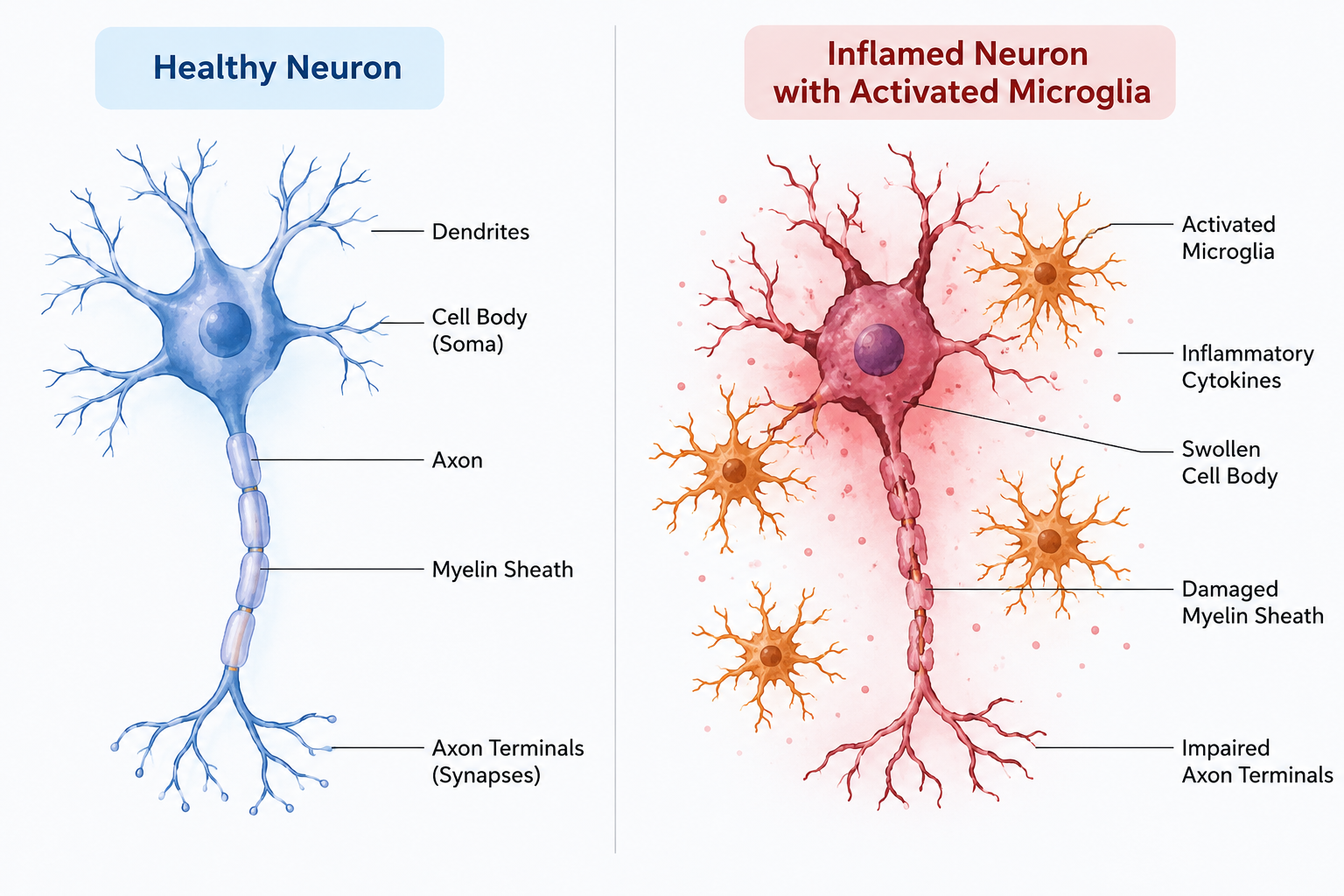
Brain inflammation, also called neuroinflammation, is the activation of the brain's immune cells, most notably microglia, in response to a trigger like infection, injury, or autoimmune disease. Short-term (acute) inflammation is usually protective and resolves on its own, while long-term (chronic) inflammation may contribute to brain fog, fatigue, mood changes, and, in some cases, more serious neurological symptoms.
Diagnosis and treatment depend entirely on the underlying cause, so persistent or severe symptoms are worth discussing with a doctor.
Here is the difference that matters most:
- Normal immune response: Short-lived, targeted, and resolves once the threat (infection, minor injury) clears.
- Chronic inflammation: Persists for weeks, months, or longer and can gradually affect neurons and brain function.
The brain's resident immune cells, called microglia, drive much of this process. Microglia activation is what releases inflammatory cytokines, chemical messengers that coordinate the immune response but can also damage healthy tissue when levels stay elevated, according to the National Institute of Neurological Disorders and Stroke (NINDS).
Acute brain inflammation can follow an infection like encephalitis or a head injury and often improves as the underlying cause resolves. Chronic brain inflammation tends to build gradually and has been studied in connection with mood disorders, cognitive decline, and some neurodegenerative conditions, per research published in peer-reviewed neuroscience journals.
What Are the Symptoms of Brain Inflammation?
Brain inflammation symptoms range from subtle, everyday complaints to more serious neurological changes, depending on the cause and severity. Recognizing the pattern early makes a real difference.
For many people, inflamed brain symptoms show up gradually rather than all at once. Here is what to watch for:
- Headaches and head pressure that do not respond well to usual pain relief
- Brain fog and difficulty concentrating or finishing tasks
- Memory problems, including forgetfulness or trouble recalling recent events
- Persistent fatigue and low energy, even after rest
- Mood changes, irritability, or new-onset anxiety
- Sleep disturbances, including trouble falling or staying asleep
- Confusion or noticeable changes in mental clarity
- Sensitivity to light or sound
- In more serious cases, seizures or other neurological symptoms
You are not alone if some of these sound familiar. Many of these symptoms overlap with everyday stress or burnout, which is exactly why brain inflammation symptoms are so easy to dismiss. Our post on depression and brain fog covers how overlapping symptoms like these can be mistaken for one another.
Seizures, sudden severe confusion, a stiff neck with fever, or rapidly worsening symptoms are not something to wait out. According to Cleveland Clinic, encephalitis and other serious causes of brain inflammation can be medical emergencies, and delayed treatment raises the risk of lasting damage, so these signs call for immediate medical attention.
What Causes Brain Inflammation?
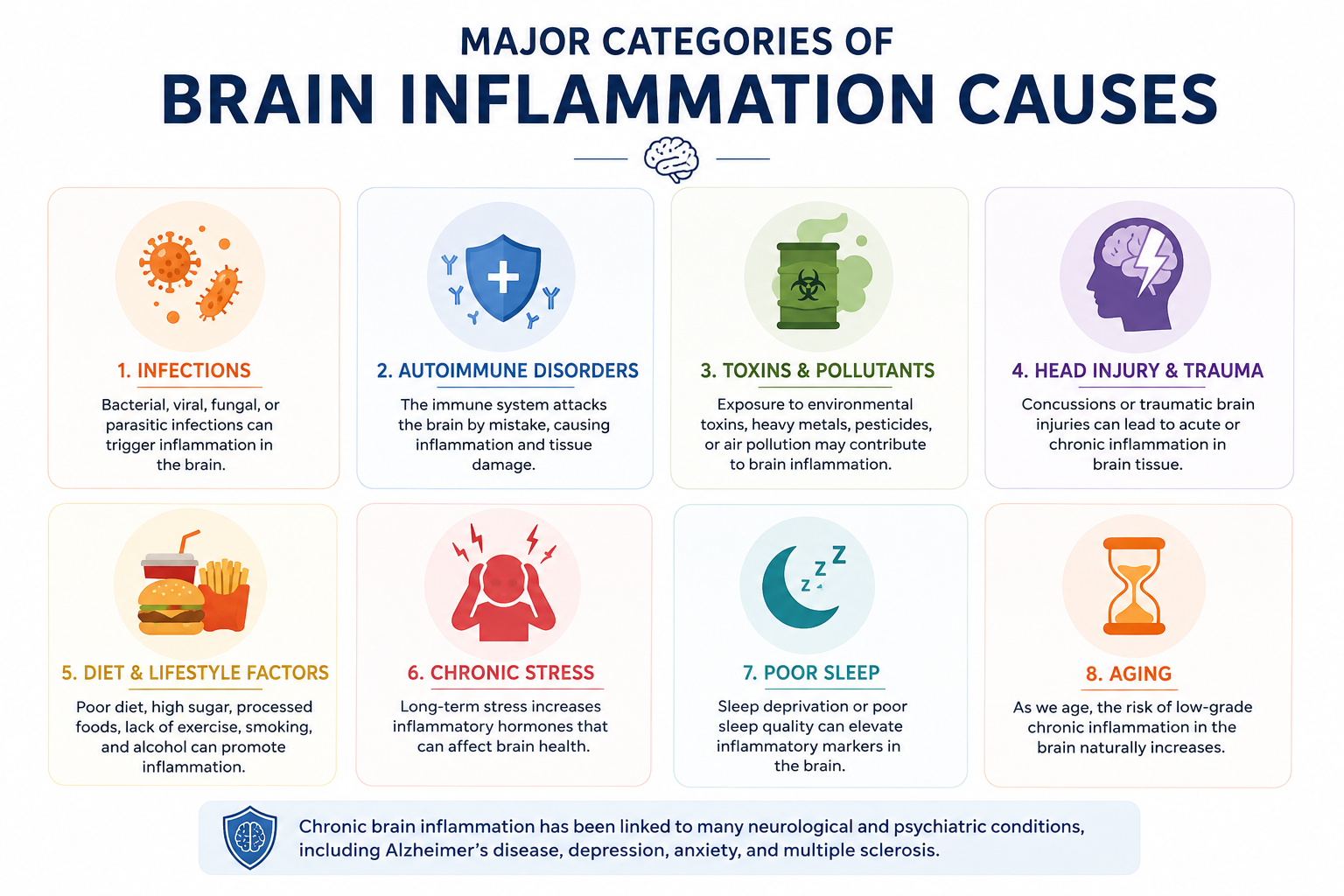
Causes of brain inflammation span infections, autoimmune conditions, physical injury, and long-term lifestyle factors, and identifying the right one shapes the entire treatment plan. There is rarely a single universal cause.
Common and medically recognized causes of brain inflammation include:
- Brain infections and encephalitis, often viral. Cleveland Clinic notes that viral infections account for roughly 70% of encephalitis cases, with herpes simplex virus among the most common culprits
- Autoimmune disease, where the immune system mistakenly targets brain tissue
- Traumatic brain injury, which can trigger an inflammatory response even after a single significant impact
- Stroke and other acute neurological injuries
- Neurodegenerative diseases, where chronic inflammation has been studied as a contributing factor
- Chronic systemic inflammation elsewhere in the body, which can influence the brain over time
- Certain metabolic conditions, including poorly controlled blood sugar
- Environmental and lifestyle factors, such as chronic stress, poor sleep, and smoking
Infections do not just affect the site where they start. Circulating inflammatory cytokines can signal the brain directly or cross a weakened blood-brain barrier, which is part of how a body-wide infection can trigger neuroinflammation, according to research summarized by the NIH.
It is worth repeating: the underlying cause matters more than the symptom itself. Treating an autoimmune trigger looks nothing like treating a viral infection, which is why self-diagnosis is genuinely risky here.
How Does Brain Inflammation Affect the Brain?
Neuroinflammation affects the brain through a chain reaction: immune cell activation, chemical signaling, and, over time, changes to neurons themselves. Understanding this chain helps explain why symptoms show up the way they do.
It typically unfolds like this:
- Microglia activation is the first step. These resident immune cells detect a threat and shift into an active state.
- Activated microglia release inflammatory cytokines such as TNF-alpha and IL-6, along with reactive oxygen species, according to peer-reviewed neuroimmunology research.
- The blood-brain barrier, which normally shields the brain from circulating immune activity, can become more permeable during sustained inflammation, allowing more inflammatory signals through.
- This process contributes to oxidative stress, a buildup of unstable molecules that can damage cells, including neurons.
- Neurons and supporting brain cells can be affected directly, and neurotransmitter signaling, including pathways tied to mood, may shift as a result.
Research has linked elevated inflammatory cytokines like TNF-alpha and IL-6 to disruptions in neurotransmitter signaling associated with mood and anxiety symptoms, which is part of why persistent brain inflammation is being studied as a factor in some mental health conditions.
Short-term effects tend to resolve once the trigger clears. Long-term, unresolved inflammation in the brain is where researchers have focused the most attention, since it has been associated with lasting effects on cognitive and neurological health in ongoing studies. Our guide to how to improve mental clarity and focus touches on some of the everyday cognitive effects people notice first.
How Is Brain Inflammation Diagnosed?
Diagnosing brain inflammation requires a combination of your symptom history, a neurological exam, and targeted testing, since symptoms alone cannot confirm what is happening inside the brain. No single test tells the whole story.
A typical diagnostic workup may include:
Doctors will also specifically look for infections or autoimmune disease when those are suspected, since the results directly determine treatment. Mayo Clinic notes that arriving at a clear diagnosis can take time, sometimes several weeks, particularly when the cause is not immediately obvious.
This is exactly why symptoms should never be self-diagnosed. Two people with nearly identical inflamed brain symptoms can have very different underlying causes, and only proper testing tells them apart.
How Is Brain Inflammation Treated?
Treatment for brain inflammation depends entirely on what is causing it; there is no single universal treatment that works for every case. A clinician determines the right approach only after identifying the source.
Depending on the cause, treatment may involve:
- Treating underlying infections with antiviral or antimicrobial medication when appropriate
- Anti-inflammatory or immune-modulating treatments, used when medically indicated
- Targeted treatment for autoimmune disease driving the inflammation
- Managing brain swelling and related neurological complications, sometimes in a hospital setting
- Supportive care, including rest, hydration, and monitoring
- Treating seizures or other complications directly, if present
For inflammation connected to treatment-resistant mood symptoms specifically, some research has looked at ketamine's effects on microglial activity and inflammatory cytokines as a possible mechanism behind its antidepressant effects, according to studies published in neuroinflammation-focused journals. This remains an area of active research rather than a first-line treatment, and options like ketamine-assisted therapy are worth discussing with a qualified clinician when standard treatments have not helped.
Self-treating suspected brain inflammation, whether with supplements, unproven remedies, or borrowed medication, can delay proper diagnosis and allow a serious underlying cause to progress. Professional diagnosis always comes first.
How to Reduce Brain Inflammation Naturally
You can support your brain's ability to manage everyday inflammation through diet, movement, sleep, and stress management, though these strategies are not a substitute for medical treatment. Think of them as supporting your overall brain health.
Here is where to start:
- Eat a nutrient-dense, balanced diet
- Include plenty of fruits, vegetables, whole grains, and healthy fats
- Get regular physical activity
- Prioritize consistent, quality sleep
- Manage chronic stress through practices that work for you
- Avoid smoking and limit excessive alcohol
- Support metabolic and cardiovascular health
- Stay well hydrated

Antioxidant-rich foods are worth calling out specifically, since they may help counter the oxidative stress that builds up alongside chronic inflammation. Chronic stress also deserves its own attention here, since it is one of the more modifiable contributors to reduce brain inflammation efforts. Our article on stress resilience techniques and how to reduce anxiety fast both cover practical ways to lower your body's stress load day to day.
Supplements are frequently marketed for brain inflammation, but they should never replace medical treatment, especially when an infection, autoimmune condition, or other diagnosed cause is present. Our roundup of the best supplements for brain fog covers this distinction in more depth, including what the evidence does and does not support.
Can Brain Inflammation Be Prevented?
You can meaningfully lower your risk of brain inflammation by managing chronic health conditions, protecting against infection and injury, and keeping up with regular medical care. Prevention is rarely about one single change.
Practical, evidence-informed steps include:
- Managing underlying health conditions with your care team
- Preventing and promptly treating infections
- Protecting your head from injury during sports or high-risk activity
- Maintaining a generally healthy lifestyle
- Managing blood pressure, blood sugar, and cholesterol
- Getting adequate, consistent sleep
- Avoiding tobacco use
- Keeping up with regular medical checkups
- Learning to recognize early neurological symptoms so you can act quickly
Early recognition matters as much as prevention itself. The sooner brain inflammation symptoms are caught, the more treatment options tend to be available.
Final Verdict: Understanding and Managing Brain Inflammation
Brain inflammation can have many different causes and may produce symptoms ranging from headaches and fatigue to more serious neurological changes. Identifying the underlying cause is essential for appropriate treatment.
The most reliable path forward combines proper diagnosis; a treatment plan matched to your specific cause; and everyday habits that support your brain over the long run. If you are noticing persistent symptoms, the right next step is getting in touch with a qualified healthcare provider who can help you understand what is actually going on and guide you toward real relief.
Medical disclaimer: This article is for informational purposes only and is not medical advice. Talk to a qualified healthcare provider before starting, stopping, or changing any treatment or supplement.
Frequently Asked Questions
What are the symptoms of brain inflammation?
Common brain inflammation symptoms include headaches, brain fog, memory problems, fatigue, mood changes, sleep disturbances, and sensitivity to light or sound. More serious cases can involve confusion, seizures, or other neurological symptoms. Symptoms vary depending on the underlying cause, so persistent or worsening symptoms are worth having evaluated.
What causes brain inflammation?
Causes of brain inflammation include infections such as encephalitis, autoimmune disease, traumatic brain injury, stroke, certain neurodegenerative conditions, and chronic systemic inflammation. Lifestyle factors like chronic stress and poor sleep can also play a contributing role. A clinician typically needs testing to pinpoint the specific cause.
Is brain inflammation serious?
It can be, depending on the cause. Some cases, like mild, short-term neuroinflammation following a minor infection, resolve without lasting effects. Others, such as encephalitis or autoimmune-driven inflammation, can be serious and require prompt medical treatment, according to Cleveland Clinic.
Can brain inflammation go away?
Yes, in many cases. Acute inflammation often resolves once the underlying trigger, such as an infection, is treated. Chronic inflammation in the brain may take longer to manage and often requires addressing the root cause directly rather than waiting for it to resolve on its own.
How is brain inflammation diagnosed?
Diagnosis typically involves a symptom history, neurological examination, blood tests, brain imaging like MRI or CT, and sometimes cerebrospinal fluid analysis or an EEG. Symptoms alone cannot confirm brain inflammation, which is why testing plays such a central role.
What is the treatment for brain inflammation?
Treatment depends on the cause. It may include antiviral or antimicrobial medication for infections, immune-modulating treatment for autoimmune causes, and supportive care for symptoms like swelling or seizures. There is no single universal treatment, which is why professional diagnosis comes first.
How can you reduce brain inflammation naturally?
You may be able to support lower inflammation through a nutrient-dense diet, regular physical activity, consistent sleep, stress management, and avoiding smoking and excessive alcohol. These strategies support overall brain health but are not a replacement for medical treatment when a specific cause is diagnosed.
When should you see a doctor for brain inflammation?
See a doctor promptly if you notice persistent headaches, worsening confusion, memory problems, or mood changes that do not improve. Seek emergency care immediately for seizures, sudden severe confusion, a stiff neck with fever, or rapidly worsening neurological symptoms, since these can signal a medical emergency.
We're here to listen,
not just to treat
.avif)

We're here to listen,
not just to treat
.avif)
